


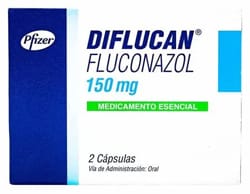
Buy Diflucan Online: Compare Best Prices and Save Today
How Much Does Diflucan Cost Today?
Walking into a local pharmacy can feel like stepping into a high-stakes poker game where the dealer holds all the cards. You might see a price tag on the shelf that makes you do a double-take, wondering if you’ve accidentally wandered into a luxury boutique instead of a drugstore. This confusion is common when dealing with brand-name Diflucan.
The gap between the brand-name Diflucan and its generic counterpart, fluconazole, is a chasm that often leaves patients scratching their heads. While the brand name carries the weight of its history, it also carries a hefty premium. Many people find that switching to the generic version is the easiest way to save a significant chunk of change without sacrificing quality.
Think of it like buying a designer coffee versus a standard brew from the shop next door. They both provide the caffeine kick you need to face the day, but one comes with a fancy logo and a much steeper price tag. In the world of antifungal medication, that brand logo can cost you a small fortune.
If you are looking at the numbers, the difference is stark. Retail pharmacies often charge a premium for the convenience of having the name-brand box right in front of you. However, smart shoppers know that the active ingredient is exactly the same, making the generic route a much more palatable option for the wallet.
Breaking Down the Price Tags
When you sit down to look at your budget, you have to decide between a one-and-done single dose or a multi-dose pack. A single 150mg dose of Diflucan might run you anywhere from $30 to $70 if you aren’t using insurance. It’s a quick fix, but it can feel like a sting to your bank account in the moment.
For those facing longer treatments, multi-dose packs offer a bit more breathing room. You might find a pack of seven doses for roughly $120 to $250 depending on the pharmacy. It’s a bit like buying in bulk at a warehouse club; the upfront cost is higher, but the value per pill is much more favorable.
To give you a clearer picture, I’ve put together a quick snapshot of what you might expect to see at the register today. Keep in mind that these are estimates, as every pharmacy has its own way of playing the game:
| Option Type | Estimated Cost (USD) | Best For… |
| Single Dose (Brand) | $50 – $90 | Immediate need |
| Single Dose (Generic) | $10 – $25 | Budget-conscious |
| Multi-Dose Pack | $120 – $250 | Extended treatment |
It is worth noting that these prices are a moving target. If you are paying out of pocket, your local pharmacist might be able to suggest a generic alternative that slashes your costs by more than half. It never hurts to ask, “Is there a cheaper way to get this same medicine?”
Why Prices Keep Shifting
You might notice that the price you saw last month isn’t quite the same as the price you see today. In 2026, several factors are dancing around the global supply chain, causing these fluctuations. It’s a bit like the stock market, only instead of tech companies, we are tracking active pharmaceutical ingredients.
Supply chain hiccups are a major player in this economic tango. If a manufacturer overseas hits a snag, the local supply tightens up, and suddenly, everyone is paying a little extra. It is a frustrating reality of modern medicine that can catch even the most prepared patients completely off guard.
Demand also plays a massive role in how much you’ll ultimately pay. During certain seasons, when fungal infections are more prevalent, the rush for medication can drive prices upward. It is a classic case of supply and demand playing out right at the pharmacy counter, often to the consumer’s detriment.
Lastly, the landscape of insurance coverage continues to evolve. A change in your provider’s formulary can turn a cheap prescription into an expensive headache overnight. Always keep a close eye on your “Explanation of Benefits” to ensure you aren’t being caught in a pricing trap.
Online vs. Brick-and-Mortar
The digital age has changed how we shop for medicine, creating a tug-of-war between your computer screen and the local corner store. Online pharmacies often boast prices that seem almost too good to be true. They have lower overhead costs, which allows them to pass those savings directly on to you.
However, the convenience of a local brick-and-mortar store is hard to beat when you need your medication *now*. There is a certain peace of mind that comes from walking in, talking to a real person, and walking out with your pills in hand. You don’t have to worry about shipping delays or lost packages.
Comparing the two is a balancing act of speed versus savings. Many patients find that for routine, multi-dose prescriptions, the online route is a winner. They set up a recurring order and let the savings roll in without having to think about it every single month.
But if you are dealing with an acute issue that requires immediate relief, the local pharmacy is your best friend. Just be prepared to pay the “convenience tax” that comes with that instant gratification. Whether you click or visit, being informed is your best defense against overpaying.
Finding the Right Dosage for Your Condition
Taking the wrong amount of medication is like trying to navigate a dense fog without a compass. You might feel like you are moving, but you are likely heading in the wrong direction. For many, the confusion starts at the pharmacy counter, where different numbers can feel overwhelming when you just want to feel better.
For a standard vaginal yeast infection, doctors often reach for a “one and done” approach. Typically, this involves a single 150mg oral dose. It is a straightforward, efficient method designed to clear the infection quickly without requiring a week of constant pill-popping. However, this simplicity only works if the infection is truly localized.
When the fungus decides to travel beyond the surface, the rules of the game change completely. Systemic fungal infections require a much more aggressive strategy to keep the intruder at bay. In these cases, a single pill won’t cut it; instead, you might face a daily regimen that lasts for several weeks to ensure total clearance.
The strength of your dose depends entirely on the “enemy” you are fighting. While a 150mg tablet is the gold standard for common yeast issues, systemic cases might require much higher concentrations. It is a delicate dance between potency and safety, ensuring the medicine is strong enough to work but not so much that it causes unnecessary harm.
Dosage Variations and Strengths
You will see various milligram strengths on the shelf, and it can feel like a math problem you didn’t sign up for. Common strengths include 50mg, 100mg, 150mg, and 400mg. Each of these is a specific tool in the medical kit, meant for very different scenarios depending on the severity of the infection.
A 50mg or 100mg dose might be used for specific, less intense fungal issues or for patients who need a more controlled buildup. On the other hand, the 400mg dose is often reserved for more stubborn or widespread infections. It is vital to understand that “more” isn’t always “better” if it isn’t what your doctor specifically intended.
The risk of self-treating with the wrong strength is a slippery slope. If you take too little, you might just be feeding the fungus, giving it a chance to build resistance. If you take too much, you are essentially throwing unnecessary chemicals at your liver. Always treat your prescription like a specialized recipe that cannot be altered.
To help you visualize how these different strengths and treatment lengths might impact your wallet, I have compiled a comparison of common pharmacy scenarios. Remember, these are just rough estimates to help you plan ahead:
| Treatment Scenario | Typical Dosage Strength | Estimated Total Cost |
|---|---|---|
| Standard Yeast Infection | 150mg (Single Dose) | $30 – $65 |
| Short-Term Course | 100mg (3-Day Cycle) | $85 – $140 |
| Extended Systemic Treatment | 200mg (Daily for 7 Days) | $250 – $450 |
| Maintenance/Heavy Case | 400mg (Variable) | $180 – $300 |
The Importance of Physician Guidance
Think of your doctor as the captain of a ship. They are the only ones who can read the charts and see the hidden reefs beneath the water. Even if you feel 90% better after two days of treatment, you must finish the full course as prescribed. Stopping early is like leaving a small fire smoldering in a trash can; it might look out, but it can flare up again.
Following a prescribed regimen is not just a suggestion; it is the bedrock of effective treatment. When you skip doses or alter the timing, you are essentially playing a high-stakes game of chance with your health. Your physician calculates the dosage based on your weight, your medical history, and the specific type of fungus identified.
Many people make the mistake of thinking they can “tweak” their dose to save money or because they feel fine. This is a dangerous gamble. A physician’s prescription is a carefully balanced formula designed to strike the perfect chord between efficacy and safety, and any deviation can throw that harmony out of sync.
If you find the dosage instructions confusing, don’t just wing it. Ask your pharmacist to walk you through the schedule. They are often the unsung heroes of the medical world, capable of translating complex clinical instructions into a simple, actionable plan that you can actually follow in your daily life.
Where to Buy Diflucan Safely Online
Navigating the digital pharmacy landscape can feel like walking through a minefield without a map. While the convenience of a click is tempting, the internet is also teeming with “too good to be true” offers. If a website promises Diflucan at a fraction of the market rate without asking any questions, keep your eyes peeled for the red flags.
One major warning sign is a website that lacks a physical address or a working phone number. Legitimate businesses want you to reach them, but scammers prefer to hide behind a screen. If the site looks like it was designed in 1998 and is riddled with typos, take it as a sign to run the other way.
Watch out for pharmacies that offer “no prescription required” deals on prescription-only medications. This is a massive red flag that suggests the pills could be counterfeit, expired, or even laced with dangerous substances. Real medical professionals won’t bypass the law just to make a quick buck, and neither should you.
Always look for the VIPPS seal or similar accreditation markers from the National Association of Boards of Pharmacy. A legitimate pharmacy will often display these trust signals prominently on their homepage. It’s like checking a restaurant’s health inspection rating before sitting down; it gives you the peace of mind that you aren’t consuming something toxic.
You should also verify that the pharmacy is licensed in your specific state or region. Many rogue operators ship from overseas to evade local regulations, which leaves you with zero legal recourse if things go wrong. It is better to pay a little more for a verified vendor than to gamble your health on an unregulated entity.
The era of “mail-order magic” where you just click a button and wait is evolving. Today, the role of the digital prescription is the cornerstone of safe online purchasing. Most reputable online pharmacies require you to upload a photo of your script or use a built-in consultation service to verify your needs.
This verification process ensures that the Diflucan you receive is actually what your doctor intended for your specific condition. Without this bridge between your physician and the pharmacy, you are essentially self-prescribing, which is a recipe for disaster. A digital prescription acts as a legal and medical safety net for every single transaction.
If a site claims they can skip this step, they are effectively operating outside the bounds of medical safety. They might send you a package, but you won’t know if the contents are actually fluconazole or something else entirely. Always insist on a system that validates your medical necessity through a licensed professional.
When you start comparing options, the logistics can be just as tricky as the medication itself. You might find a much lower price on an international site, but you must weigh that against the shipping realities. Domestic orders are generally much faster and significantly more reliable for urgent fungal treatments.
International shipping can be a double-edged sword. While you might save $20 on the initial order, you might face unexpected customs fees or long delays that leave you without medicine when you need it most. A package sitting in a customs warehouse for three weeks is not a viable treatment plan.
I have put together a quick comparison to help you weigh these logistical factors before you pull the trigger on a purchase:
| Shipping Type | Estimated Delivery | Typical Extra Costs |
|---|---|---|
| Domestic (Standard) | 3 – 5 Days | $5 – $15 |
| Domestic (Expedited) | 1 – 2 Days | $25 – $45 |
| International | 2 – 4 Weeks | $0 – $50 (Customs) |
Ultimately, the goal is to get your medication quickly and safely. If you are dealing with a persistent or spreading infection, the extra $15 for domestic expedited shipping is a small price to pay for certainty. Don’t let a desire for the absolute lowest price turn a simple medical issue into a logistical nightmare.
Diflucan vs. Generic Fluconazole
When you walk into a pharmacy, you might notice the brand-name Diflucan sitting on a high shelf, looking quite prestigious. It carries the weight of decades of clinical research and a massive marketing budget. However, many patients find themselves staring at the price tag and wondering if they are paying for the medicine or the fancy label.
The science of equivalence is where the real magic happens. Both Diflucan and its generic counterpart, fluconazole, rely on the exact same active ingredient to fight off fungal infections. Think of it like a recipe for a classic sourdough bread. One bakery might use a fancy branded flour, but the core chemical reaction remains identical.
To be considered a true match, generic versions must pass a rigorous “bioequivalence” test. This means they must enter your bloodstream at the same rate and reach the same concentration as the brand-name version. If the generic doesn’t hit the same peaks and valleys in your system, it simply won’t get the job done effectively.
Regulatory bodies like the FDA act as the ultimate referees in this arena. They ensure that every generic pill contains the same amount of active medicine to ensure it works exactly as intended. You aren’t getting a “watered-down” version; you are getting the same chemical punch, just delivered in a different package.
The Financial Reality of Switching
Let’s talk about the elephant in the room: your wallet. Switching to a generic version is often the quickest way to slash your healthcare expenses without sacrificing your recovery. It is a common strategy for those managing long-term prescriptions or repeated fungal issues that require multiple doses over several weeks.
I remember a patient who was quite skeptical about the cheaper option. He felt that if it was so much less expensive, there must be a catch. But after comparing his monthly pharmacy bills, he realized he was spending an extra $40 to $60 per cycle just for the name on the box. That’s money better spent elsewhere.
The cost savings can vary depending on your insurance coverage and the specific pharmacy you use. However, the trend is almost always in favor of the generic. By opting for fluconazole, you are essentially cutting out the middleman—the massive advertising budget of the pharmaceutical manufacturer—and paying only for the chemical itself.
Consider these approximate price differences when planning your budget for treatment:
- Brand-name Diflucan: Often ranges from $50 to $100+ per prescription.
- Generic Fluconazole: Typically costs between $10 and $30 per prescription.
- Potential Monthly Savings: Often exceeds $40 depending on the dosage.
Visual and Physical Differences
Don’t let a change in appearance catch you off guard during your treatment. A generic pill might look like a tiny white speck, while the brand-name version might be a large, film-coated blue capsule. This visual shift can be jarring if you are used to a specific look, but it is purely cosmetic.
Texture plays a role too. Some generics might feel slightly chalkier or have a different coating than the brand-name version. This is due to the “excipients,” which are the inactive ingredients like binders, fillers, and dyes used to hold the pill together. These ingredients don’t change how the medicine works, just how it feels.
It is quite common for manufacturers to change their pill shape or color to avoid trademark disputes. If your pill looks different from the last time you filled your prescription, don’t panic. As long as your pharmacist confirms it is the same dosage, the change in shape is just a minor aesthetic variation.
When evaluating your medication, keep these physical factors in mind:
| Feature | Brand-name (Diflucan) | Generic (Fluconazole) |
|---|---|---|
| Active Ingredient | Fluconazole | Fluconazole |
| Appearance | Highly standardized | May vary by manufacturer |
| Inactive Fillers | Proprietary blend | May differ slightly |
Navigating Shipping and Delivery Logistics
Timing Your Recovery
Waiting for a package can feel like watching a pot of water boil when you are feeling unwell. Most prescription shipments follow a fairly predictable rhythm once the order is finalized. Typically, you can expect your medication to arrive within 3 to 7 business days, depending heavily on your specific geographic location and the selected shipping method.
If you find yourself in a pinch, expedited shipping options are often available for an additional fee, perhaps ranging from $15 to $25. This can shave several days off the wait, moving your delivery from a standard snail’s pace to a much more urgent sprint. It is a small price to pay for peace of mind.
Keep in mind that weekends and public holidays can act as little speed bumps in the process. Since most logistics hubs operate on a standard Monday-through-Friday schedule, an order placed on a Friday afternoon might not even begin its journey until the following Monday. Planning ahead is your best defense against unnecessary delays.
Privacy and Discretion
Medical privacy is not just a legal requirement; it is a matter of personal comfort and dignity. Many people feel a bit self-conscious about having specific medications arrive at their doorstep. To address this, reputable pharmacies utilize “discreet packaging” strategies to ensure your business remains strictly between you and your doctor.
When your box arrives, it shouldn’t scream “prescription medicine” from across the room. Most shipments arrive in plain, unbranded cardboard boxes or padded envelopes. The return address is often a generic logistics company name rather than a pharmacy name, ensuring your neighbors won’t be left wondering what is inside.
This level of discretion is a standard industry practice designed to protect your sensitive health information. You shouldn’t have to worry about a delivery driver or a housemate knowing exactly what you are treating. It is all about providing a seamless, private experience from the moment you click “order” to the moment you open it.
Protecting Medication Integrity
Medicine is a delicate thing, much like a fine wine or a delicate soufflé. Fluconazole is generally quite stable, but environmental factors can still wreak havoc on its potency. Moisture is the silent enemy of many pills, often turning a crisp tablet into a useless, crumbly mess if left in a humid environment.
To combat this, shipments are often packed with desiccant packets—those little “do not eat” silica gel pouches you see in shoe boxes. These tiny helpers soak up excess moisture during transit. If your package arrives and feels damp, check the seal of the medication bottle immediately to ensure the integrity of the pills.
Temperature control is another critical factor during the long journey from the warehouse to your porch. While most oral medications don’t require the heavy-duty refrigeration needed for insulin, they should never be left in a hot delivery truck for days. If you live in a particularly scorching climate, try to retrieve your package as soon as possible.
Tracking Your Shipment
Gone are the days of wondering if your package is lost in a void or sitting in a warehouse somewhere. Modern logistics have turned the shipping process into a transparent journey. Once your order leaves the facility, you will typically receive a notification via email or SMS containing a unique tracking number.
You can use this number to watch your package move across the map in real-time. It’s a bit like tracking a pizza delivery, but with much higher stakes for your health. You can see exactly when it has left the local hub, when it is out for delivery, and when it has officially landed on your doorstep.
If your tracking status shows a “delivery exception,” don’t panic just yet. This often just means a driver couldn’t access your porch or there was a slight detour. Check your tracking details immediately; most carriers provide a specific reason and a window for when they will attempt a second delivery attempt.
When to Expect Results After Taking Diflucan
Timing is everything when you are fighting off a fungal infection. Most people notice a significant shift in their comfort levels within a few days of taking the first dose. It is not an overnight miracle, but rather a gradual tide turning in your favor as the medication begins to work.
For common issues like a vaginal yeast infection, you might feel relief within 24 to 48 hours. However, the medicine is actually working hard behind the scenes long after the initial symptoms subside. Think of it as a cleanup crew arriving at a messy site; the visible progress happens quickly, but the job takes time.
If you are dealing with more persistent issues like oral thrush, the timeline might stretch a bit longer. You may not see a dramatic change for several days. Patience is your best friend here. Trying to rush the biological process by taking extra doses is a recipe for disaster and potential side effects.
Signs of Progress and Potential Hurdles
How do you know if the treatment is actually hitting its mark? The most obvious sign is a reduction in irritation. If the intense itching or burning that kept you up at night begins to fade, you are likely on the right track. It is a signal that the fungal overgrowth is losing the battle.
You might also notice a change in discharge or skin texture. As the infection clears, the redness or inflammation should begin to settle down. It is like a storm passing through; the sky might still look a bit gray, but the heavy winds and torrential rain have finally ceased their assault.
Sometimes, the first round is just a warm-up. Some users find that a single dose isn’t quite enough to clear the entire mess. This isn’t necessarily a sign that the medicine failed. Sometimes, a second dose or an extended course is required to ensure every last stubborn spore is wiped out for good.
Factors like your overall immune system strength play a massive role in this “second round” scenario. If your body’s defenses are a bit sluggish, the medication might need more time or a higher frequency to finish the job. Don’t view a follow-up dose as a failure, but rather as a necessary reinforcement.
When to Call the Doctor
While most people find relief without much drama, you shouldn’t ignore the “red flags.” If your symptoms seem to be getting worse instead of better after a few days, it is time to pick up the phone. You shouldn’t play a guessing game with your health when things feel wrong.
Watch out for any unusual side effects that weren’t mentioned in your initial consultation. If you experience a sudden rash, stomach cramps, or feel dizzy, don’t wait for the next scheduled dose. These could be signs of a reaction or a different issue entirely that requires professional medical intervention.
It is also vital to monitor for any signs of an allergic reaction, which can be quite serious. If you experience swelling of the face or difficulty breathing, skip the waiting room and head straight to an emergency room. These are not symptoms you should try to “wait out” or manage alone.
If the infection returns almost immediately after you finish your prescribed course, your healthcare provider needs to know. They might need to change the medication or investigate if something else is triggering the recurrence. Keeping a log of your symptoms can be a real lifesaver during these discussions.
| Symptom Type | Typical Relief Window | Action Required |
| Vaginal Yeast Infection | 1 – 3 Days | Monitor for recurrence |
| Oral Thrush | 3 – 7 Days | Consult if no change |
| Skin/Nail Issues | 1 – 2 Weeks | Follow full course |