


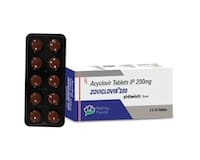
Buy Aciclovir Online: Best Prices and Fast Delivery
Dosage Protocols and Administration Methods
When that first tingling sensation of a herpes simplex outbreak strikes, timing is everything. For most adults managing a standard flare-up, doctors typically prescribe oral tablets to be taken several times a day. It is not a “one and done” situation; rather, it is a rhythmic routine of pills meant to keep the virus at bay.
A common regimen involves taking 200 mg or 400 mg tablets every few hours during the acute phase. You might feel like you are swallowing a mountain of pills, but consistency is the secret. Skipping a dose is like leaving a gate unlatched for a thief; it gives the virus a golden opportunity to multiply.
Think of the medication as a shield that needs constant maintenance. If you forget a dose, do not try to double up to catch up. Just get back on track with your next scheduled dose. Taking extra can lead to unnecessary side effects, making your stomach feel like it’s in a blender.
- Standard oral dose: 200 mg to 400 mg every 4 hours.
- Severe outbreak regimen: Higher frequency of dosing.
- Hydration: Always drink plenty of water with tablets.
Clinical Administration for Severe Cases
Sometimes, the virus doesn’t play by the rules and decides to strike hard. In cases of severe infections, such as herpes encephalitis, the fight moves from the mouth to the vein. Intravenous (IV) administration becomes the heavy artillery in these high-stakes medical battles.
When a patient is hospitalized, clinicians often administer aciclovir via an IV drip to ensure it reaches the bloodstream instantly. This bypasses the slow process of digestion, ensuring the drug concentration in the blood stays at a steady, therapeutic level. It is a life-saving maneuver when every minute counts.
Medical professionals monitor these patients like hawks. Because IV administration can be taxing on the kidneys, keeping fluid levels up is non-negotiable. It is a delicate balancing act between delivering the medicine and protecting the renal system from the intensity of the treatment.
The cost of these hospital stays and specialized IV medications can vary wildly. While a simple bottle of pills might cost around $25, a severe hospital course involving IV administration can easily climb into the thousands of $. Always consult your insurance provider regarding these high-cost interventions.
Topical Application and Localized Care
For those pesky cold sores that pop up on the lips, a cream might be your best friend. Topical aciclovir is applied directly to the site of the lesion. It acts like a local sentry, attempting to stop the virus from spreading to healthy skin cells nearby.
You shouldn’t just glob it on like frosting on a cake. Instead, use a cotton swab to apply a thin layer precisely on the sore. This localized approach helps minimize the amount of medication that enters your overall system, focusing the power where it is needed most.
It is a marathon, not a sprint. Applying the cream five times a day for several days is the standard protocol. If you stop the moment the blister disappears, you might be inviting the virus to stage a comeback sooner than you’d like.
While the cream is much cheaper, often under $15 for a small tube, its effectiveness is highly dependent on how early you start. If you wait until the sore is wide open, the cream might be nothing more than a placebo in a tube.
| Method | Typical Use | Ease of Use |
| Oral Tablet | Systemic Outbreaks | Moderate |
| IV Drip | Severe/Life-Threatening | Low (Clinical) |
| Topical Cream | Localized Cold Sores | High |
Aciclovir Price Breakdown and Cost Savings
Navigating the pharmacy aisle can feel like walking through a financial minefield. You might walk in expecting a small charge, only to find your wallet feeling significantly lighter than anticipated. Understanding the nuances of pricing is essential for anyone managing chronic viral outbreaks on a budget.
The price of a standard 400mg tablet can dance around quite a bit depending on where you shop. On average, you might see retail prices hovering near $25 for a small supply. However, this is merely a starting point for your financial planning.
It is often a game of comparison. A single trip to a local corner pharmacy might cost you more than a scheduled pickup from a large-scale mail-order service. Keeping an eye on these variations can save you a significant amount of cash over a year.
Many patients find that the difference between brand-name labels and generic alternatives is night and day. While the brand name might offer a sense of familiarity, it often comes with a hefty premium that does not necessarily translate to better results.
Generic aciclovir is essentially the same chemical soldier in a different uniform. It provides the same therapeutic punch without the “fancy packaging” tax. Switching to generics is often the quickest way to slash your medical expenses without sacrificing your health.
Price fluctuations are inevitable in the pharmaceutical market. Supply chain hiccups or shifts in manufacturing can cause costs to spike unexpectedly. Staying informed about these market trends helps you avoid being caught off guard by sudden price hikes at the counter.
Comparing Formulations and Purchasing Strategies
When deciding between a cream and a pill, you aren’t just choosing a delivery method; you are choosing a price point. Topical ointments are generally the budget-friendly option for those dealing with surface-level issues. They are easy to grab and keep in a purse.
Capsules and oral tablets, however, tend to be more expensive because they involve systemic distribution. Since the medication travels through your entire bloodstream, the manufacturing and dosage complexity can drive the price upward. It is a trade-off between localized relief and total body protection.
If you are a frequent sufferer, you might want to consider bulk purchasing to keep your bottom line healthy. Buying a 30-day supply at once is almost always cheaper than buying a single week’s worth every time an outbreak hits. It is like buying in bulk at a warehouse club.
However, do not go overboard and buy a year’s worth if the medication has a strict expiration date. You do not want to end up with a cabinet full of useless, expired pills. Precision in your purchasing strategy is the key to true long-term savings.
Regional differences also play a massive role in what you ultimately pay. Prices in a major metropolitan city might be higher due to overhead costs compared to a rural pharmacy. Sometimes, a quick digital search for online pharmacies can reveal much better deals.
Always verify that any online provider is legitimate and licensed. It is tempting to go for the absolute lowest price on the internet, but you do not want to end up with counterfeit medication. If a deal looks too good to be true, it probably is.
The following table provides a quick snapshot of common cost comparisons for various aciclovir options.
| Product Type | Quantity/Form | Estimated Cost |
|---|---|---|
| Generic 400mg Tablets | 30-Day Supply | $15 |
| Brand Name Tablets | 30-Day Supply | $65 |
| Topical Ointment | 5g Tube | $12 |
| Oral Capsules (Bulk) | 100-Count | $35 |
| Hospital-Grade IV | Single Dose | $150 |
Procurement and Online Pharmacy Logistics
Shopping for medication online can feel like navigating a labyrinth without a map. You might stumble upon a website that looks professional, only to find it is a digital mirage. To ensure you are buying from a legitimate source, always look for a valid prescription requirement. Legitimate vendors will never ask you to skip the doctor’s consultation.
The process typically begins with a digital consultation or a direct upload of your existing prescription. Once the pharmacist reviews your medical history, the order is processed. It is a much smoother dance than the traditional pharmacy queue, but it requires a bit of due diligence to ensure the vendor is the real deal.
Once your order is confirmed, the logistics phase kicks in. You will receive a tracking number that acts as your lifeline while the package is in transit. It is wise to check your email frequently, as some vendors require a final confirmation before they hand the parcel over to the courier.
Avoid the temptation to use “no-prescription” sites that promise instant delivery. These are often hotbeds for counterfeit products that can be more dangerous than the virus itself. If a site doesn’t ask for a doctor’s oversight, it’s best to steer clear of that particular digital alleyway immediately.
Verifying Pharmacy Credentials and Safety
Before you hand over your credit card, you must play detective. Look for the “VIP” or “Digital Pharmacy” seal, which indicates the site follows strict regulatory standards. This isn’t just a fancy badge; it is your primary defense against fraudulent operations that vanish once they have your money.
Check for physical addresses and contact information that actually exists. A reputable pharmacy will have a clear way for you to speak with a human being, whether by phone or live chat. If the only way to reach them is a generic contact form, consider that a massive red flag.
Safety certifications are the gold standard of the industry. Look for accreditation from organizations that monitor online pharmaceutical safety. These certifications prove that the facility adheres to rigorous storage and handling protocols, ensuring your aciclovir arrives potent and pure, not degraded by poor temperature control.
Don’t forget to read the reviews from actual patients on third-party websites. While a company’s own testimonials are often glowing, independent forums can reveal the truth about shipping delays or poor customer service. It is better to be cautious now than to be left empty-handed later.
Shipping Timelines and Discreet Packaging
Timing is everything when you are dealing with a sudden flare-up. Domestic orders are usually quite brisk, often arriving at your doorstep within 3 to 5 business days. If you are in a rush, many local online providers offer expedited shipping options that can shave significant time off the wait.
International orders are a different beast entirely. These can take anywhere from 2 to 4 weeks depending on customs and local postal efficiency. If you are ordering from overseas to save a few bucks, prepare for the long haul. Patience is a virtue when navigating the complexities of international logistics.
Privacy is a major concern for many patients seeking aciclovir. Most high-quality vendors offer discreet packaging as a standard feature. This means your medication arrives in a plain, unmarked box or envelope that doesn’t scream “medical supplies” to anyone glancing at your mail.
You can often select “discreet shipping” during the checkout process. This ensures that the sender’s name on the label is something generic, such as a logistics company or a shipping service. It allows you to maintain your privacy and keep your medical history confidential from housemates or neighbors.
The following table outlines the typical shipping expectations you can anticipate:
| Shipping Method | Origin | Estimated Time | Cost Estimate |
| Standard Domestic | Local/National | 3-5 Days | $5 – $10 |
| Express Domestic | Local/National | 1-2 Days | $15 – $25 |
| Standard International | Overseas | 14-30 Days | $20 – $40 |
Avoiding Common Shipping Pitfalls
One of the most common headaches is the “lost in transit” scenario. This often happens when a package is sent via an unreliable carrier or lacks proper tracking. Always opt for a shipping method that provides real-time tracking, even if it costs an extra $10. It is worth the peace of mind.
Customs issues are another major pitfall, especially with international orders. If the paperwork is incorrect or the items are restricted in your specific region, your package might be seized or held indefinitely. Always verify that the vendor is shipping from a country with favorable trade agreements with yours.
Watch out for the “hidden fee” trap. Some vendors show a very low price initially, but by the time you reach the final checkout page, shipping costs and handling fees have doubled the price. Always look at the total “all-in” cost before you commit to the purchase.
Finally, keep an eye on the weather and seasonal delays. Extreme heat can be a silent killer for certain medications if they sit in a hot delivery truck for too long. If you live in a tropical climate, consider requesting temperature-controlled shipping if the vendor offers it.
Therapeutic Comparisons and Alternatives
Potency and Convenience Factors
Imagine sitting at your desk, trying to focus on a deadline while a tingling sensation begins to bloom on your lip. You reach for your medicine cabinet, only to realize you have to swallow multiple pills every few hours. This is where the battle between aciclovir and valaciclovir truly begins to play out in real life.
Aciclovir is a reliable old friend, but it requires a strict, frequent dosing schedule to stay effective. You might find yourself waking up in the middle of the night just to keep up with the regimen. It is like trying to keep a flame alive with small twigs; you have to keep feeding it constantly to prevent it from dying out.
Valaciclovir, on the other hand, is the sleek, modern upgrade. Because it is converted more efficiently by the body, you can often take it far less frequently. It is the difference between checking your mailbox every hour and checking it once a day. For many, that convenience is worth every extra cent spent at the pharmacy.
While valaciclovir often shows higher blood concentrations, both drugs are remarkably effective at stopping the virus in its tracks. The choice usually boils down to your lifestyle. If you are someone who forgets a dose the moment a meeting runs late, the higher potency and ease of valaciclovir might be your best bet.
Topical Versus Oral Administration
When a flare-up is just a tiny, localized spot, the instinct is to reach for a cream. Topical treatments are like a bandage; they stay right where the trouble is. They can provide a bit of relief to the skin surface, but they often struggle to reach the root of the problem deep within the nerve endings.
Oral pills are a different animal entirely. They travel through your bloodstream, hunting down the virus from the inside out. It is like sending a specialized task force into the building rather than just painting the front door. For many patients, the systemic approach of oral medication yields much faster results.
If you are dealing with a severe outbreak, relying solely on a cream might feel like bringing a knife to a gunfight. The virus is systemic, so your treatment should be too. Most doctors suggest that while creams are fine for minor irritation, oral medication is the real heavy hitter for significant outbreaks.
The following comparison highlights the primary differences you might encounter:
- Topical Creams: Best for localized surface relief; requires frequent application; lower systemic absorption.
- Oral Aciclovir: Targets the virus through the bloodstream; more effective for widespread outbreaks; requires frequent dosing.
- Oral Valaciclovir: Highest bioavailability; most convenient dosing schedule; most effective for preventing recurrence.
Brand Name vs. Generic Selection
The debate between brand-name and generic medication is as old as time. Many patients feel a sense of comfort with the name-brand label, believing it to be a gold standard of quality. It is a psychological comfort that is hard to shake, even when the science tells a different story.
In reality, generic aciclovir is the exact same active ingredient. It has undergone the same rigorous testing to ensure it does the job. For most people, switching to a generic is a smart financial move. It allows you to save a significant amount of money without sacrificing the efficacy of your treatment.
However, there are moments when you might want to stick to the big names. If you have a history of sensitive skin or have experienced stomach upset with a generic version, the specific fillers used in brand-name pills might be the culprit. In those specific cases, the extra cost might be a small price to pay for comfort.
Consider switching to a generic when:
1. You are managing a chronic condition requiring long-term daily use.
2. The price difference exceeds $20 per month.
3. You have no history of adverse reactions to generic fillers.
Efficacy and Cost Analysis
When we talk about efficacy, we are looking at how well the drug shuts down the viral replication. Different strains can behave differently, though most common strains respond well to both drugs. However, the “win rate” for preventing a full-blown outbreak is significantly higher with valaciclovir in clinical studies.
Then there is the elephant in the room: the cost. A bottle of generic aciclovir might cost you only $15, whereas a prescription for valaciclovir can easily climb to $60 or more. It is a classic case of “you get what you pay for,” but the “what” is measured in time and convenience.
For a one-off event, the budget-friendly aciclovir is often the winner. If you are on a tight budget and can manage the frequent dosing, it does the job. But for those who travel often or have hectic schedules, the premium paid for valaciclovir is an investment in not missing a dose.
The table below provides a snapshot of the cost-benefit landscape:
| Medication Type | Primary Benefit | Typical Cost | Best For |
| Generic Aciclovir | Lowest Cost | $10 – $25 | Budget-conscious patients |
| Valaciclovir | Maximum Convenience | $45 – $90 | Busy lifestyles/Severe outbreaks |
| Topical Cream | Localized Relief | $5 – $20 | Minor surface irritation |
Usage Scenarios and Clinical Applications
Timing is everything when dealing with a viral flare-up. If you catch the symptoms early, you can often nip the problem in the bud before it turns into a full-blown nightmare. Many patients find that waiting until the blisters appear to start medication is like trying to put out a forest fire with a water pistol.
The prodromal phase is that strange, unsettling period where your body knows something is wrong, but nothing is visible. You might feel a tingling, itching, or burning sensation in a specific area of your skin. This is the “warning shot” from your nervous system that the virus is waking up and traveling toward the surface.
If you experience these sensations, reaching for aciclovir immediately can be a game-changer. By attacking the virus during this early stage, you can significantly reduce the severity of the eventual outbreak. It is much easier to manage a dull ache than a painful, blistering landscape that refuses to heal quickly.
Managing Shingles and Varicella-Zoster
Shingles can feel like a lightning strike of pain traveling along a nerve. When an outbreak occurs, the goal is to reduce the duration of the pain and prevent long-term complications like postherpetic neuralgia. Doctors typically prescribe a high-dosage regimen to ensure the virus is suppressed as quickly as possible during the acute phase.
In the adult population, managing varicella-zoster (chickenpox) requires a more nuanced approach. While many healthy adults handle the virus with minimal issues, older adults or those with compromised immune systems may face much more severe systemic infections. In these cases, aciclovir acts as a vital shield to prevent the virus from running rampant.
For those dealing with a sudden shingles flare, the clinical priority is rapid intervention. The medication works by inserting itself into the viral DNA, essentially acting like a broken key in a lock. This stops the virus from replicating, which helps the body’s natural defenses regain the upper hand and clean up the mess.
When treating these conditions, keep these clinical goals in mind:
1. Shorten the duration of the primary lesion phase.
2. Reduce the intensity of localized neuropathic pain.
3. Minimize the risk of secondary bacterial infections on the skin.
4. Prevent the spread of the virus to vulnerable contacts.
Long-term Management and Pediatric Care
For some, herpes simplex is a recurring visitor that shows up at the most inconvenient times. To combat this, many clinicians recommend suppressive therapy. This involves taking a low dose of aciclovir every single day to keep the virus in a state of permanent slumber, preventing it from ever breaking through.
While suppressive therapy is a lifesaver for many, it is a commitment. You might be looking at a cost of $20 to $40 per month for a continuous supply of generic tablets. However, most patients find the trade-off worth it to avoid the sudden stress and physical pain of a spontaneous, unexpected outbreak.
Pediatric dosing is a different ballgame entirely. Children aren’t just small adults; their bodies process medication differently, especially regarding kidney function. Doctors must carefully calculate doses based on the child’s weight and age to ensure the treatment is effective without being toxic to their developing systems.
Safety is the paramount concern when treating our little ones. Parents should watch for any signs of dehydration or unusual lethargy during treatment. While aciclovir is generally well-tolerated in children, it is essential to follow the exact schedule prescribed by your pediatrician to ensure the virus is properly kept at bay.
Safety Profiles and Potential Interactions
Common Side Effects and Bodily Reactions
Taking medication often feels like a necessary evil when you are fighting a viral battle. While aciclovir is generally quite gentle, it is not entirely without its quirks. Some patients report a nagging headache that lingers like an uninvited guest at a dinner party, making it hard to focus on daily tasks.
Gastrointestinal issues are also quite common, particularly when you first start the regimen. You might experience a bit of nausea or even mild diarrhea as your body adjusts to the chemistry. It is rarely a deal-breaker, but it can certainly throw a wrench in your comfort levels during the initial days.
Most of these side effects are transient and tend to vanish once the viral load decreases. If you find yourself feeling particularly “off,” it is worth keeping a diary of your symptoms. This helps your doctor determine if what you are feeling is just a passing phase or something requiring intervention.
A quick summary of common experiences:
- Mild nausea or stomach upset.
- Dull, persistent headaches.
- Occasional dizziness or lightheadedness.
- Dry mouth or slight fatigue.
Hydration and Kidney Health
Think of your kidneys as the filtration system of a high-end water purifier; they need to keep running smoothly to clear out waste. Aciclovir is processed through your kidneys, and if you aren’t drinking enough water, the medication can potentially crystallize in the renal tubules. This is a serious matter that requires proactive management.
You should aim to drink plenty of fluids throughout the day to keep the “pipes” flowing. It sounds simple, but many people forget this when they are feeling unwell. Staying well-hydrated is your best defense against the rare but serious risk of kidney crystals forming during the course of your treatment.
If you have pre-existing kidney issues, you are walking on thin ice. For these patients, the dosage must be adjusted with surgical precision. A standard dose might be far too heavy for someone with reduced renal function, potentially causing a buildup that could do more harm than good to your system.
Patients with known renal impairment should monitor their output closely. If you notice a significant change in how often you urinate, or if you experience swelling in your ankles, contact your healthcare provider immediately. It is better to be overly cautious than to risk a sudden decline in kidney health.
Interactions and Allergic Reactions
When it comes to mixing medications, you shouldn’t just grab whatever is on the shelf. Some over-the-counter options, specifically certain NSAIDs like ibuprofen, can interfere with how your kidneys clear the drug. Mixing these can be like adding more weight to an already struggling engine; it just makes the job harder.
Always play it safe by checking with a pharmacist before adding any new supplements or common painkillers to your routine. Even something as simple as an herbal tea or a vitamin can occasionally cause unexpected friction. A quick $5 consultation at the pharmacy can save you a lot of headache later on.
Allergic reactions are another hurdle to watch for, though they are relatively uncommon. If you notice a sudden rash, hives, or swelling of the face and throat, stop taking the medication immediately. This is not something to “wait and see” with; it requires urgent medical attention to ensure your airway remains clear.
Monitor yourself for these critical warning signs:
| Symptom | Action Required |
| Hives or Skin Rash | Contact doctor immediately. |
| Difficulty Breathing | Seek emergency services. |
| Swelling of Lips/Tongue | Immediate ER visit. |