


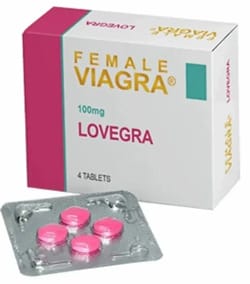
Buy Female Viagra Online: Best Prices and Fast Delivery
Decoding Female Sexual Dysfunction and Treatment Options
Imagine your libido is a campfire. Sometimes, the wood is simply damp, making it hard to catch a spark. Other times, the wind has simply died down. Distinguishing between hypoactive sexual desire disorder (HSD) and basic physiological shifts is like trying to tell a passing storm from a permanent drought. It requires a delicate touch and a keen eye.
HSD often feels like a fundamental disconnect between the mind and the body. It isn’t just about being “tired” after a long workday. It is a persistent, distressing lack of interest in intimacy that persists despite a desire for connection. This isn’t just a phase; it is a clinical pattern that disrupts the very fabric of a woman’s personal life.
On the flip side, physical changes are often the silent culprits. Changes in tissue sensitivity or hormonal fluctuations can make the act itself less rewarding. When the body doesn’t respond to stimuli as it once did, the brain eventually stops sending the “on” signal. It is a feedback loop that can feel like an uphill battle against your own biology.
Hormonal shifts during menopause act like a sudden change in the weather. As estrogen and testosterone levels take a nosedive, the physiological landscape transforms. Blood flow to the pelvic region decreases, making the physical sensations feel muted, almost like listening to music through a thick wall. This isn’t a failure of will; it is a biological reality.
This drop in estrogen also affects the lubrication and elasticity of vaginal tissues. It can turn intimacy from a joyful experience into something that feels physically uncomfortable or even painful. When the physical mechanics are out of sync, the mental desire often follows suit, leading to a frustrating cycle of avoidance that is hard to break without help.
We must also look at the chemical messengers dancing in our brains. Neurotransmitters like dopamine act as the gas pedal, driving excitement and anticipation. Conversely, serotonin often acts as the brake, helping us feel calm and satisfied. If these two are out of balance, the “spark” simply won’t ignite, regardless of how much you try to force it.
Dopamine is the thrill of the hunt, the anticipation of a touch. When dopamine levels are low, the brain doesn’t register sexual stimuli as particularly rewarding. It is like trying to start a car with a dead battery; you can turn the key all the want, but the engine simply refuses to roar into life.
Understanding the interplay between these chemicals is vital. Sometimes, a low libido is a biological hiccup, while other times, it is a psychological shield. Many women find themselves caught in the crossfire between their biological needs and their mental state, wondering if they are “broken” when they are actually just experiencing a complex chemical tug-of-war.
The roots of low desire are rarely a single, straight line. They are often a tangled web of psychological and biological threads. A woman might struggle with stress, relationship friction, or past trauma, all of which can override the body’s natural impulses. It is rarely just one thing; it is usually a perfect storm of factors.
Biological roots involve the heavy hitters: thyroid issues, high blood pressure, or the aftermath of certain medications. Psychological roots might involve anxiety or even the mundane weight of “mental load”—the endless checklist of household and professional responsibilities. When your brain is busy managing a budget, it isn’t thinking about passion.
To help navigate these murky waters, consider this breakdown of common factors:
| Factor Category | Potential Impact | Primary Drivers |
| Hormonal | Decreased libido and lubrication | Estrogen, Testosterone, Progesterone |
| Neurochemical | Reduced arousal and excitement | Dopamine, Serotonin, Oxytocin |
| Psychological | Emotional detachment or anxiety | Stress, Depression, Relationship Dynamics |
Knowing when to seek professional guidance is a crucial step in regaining your sense of self. If the lack of desire is causing significant distress or tension in your relationship, it is time to step into the light. You do not have to navigate this labyrinth alone or settle for a life of muted colors.
Consult a specialist—such as a gynecologist or a sexual health therapist—if you notice a sudden shift in your response to intimacy. If physical discomfort is a recurring theme, a medical professional can investigate hormonal or structural issues. Seeking help is not a sign of weakness; it is a proactive move toward reclaiming your well-being.
Specialists can offer a wide range of interventions tailored to your specific needs. Depending on the diagnosis, costs for initial consultations can vary widely, often ranging from $150 to $300 per session. Investing in your sexual health is an investment in your overall quality of life and long-term happiness.
Prescription Medications and FDA-Approved Pathways
Flibanserin and the Neurochemical Shift
Unlike traditional medications that focus on blood flow, Flibanserin works on the brain’s complex chemical architecture. It targets the neurochemical “brakes” and “gas pedals” mentioned earlier. By modulating serotonin and dopamine levels, it attempts to rebalance the delicate chemical dance required for sexual desire to flourish naturally.
Think of it as recalibrating a sensitive thermostat. Instead of forcing a sudden surge of arousal, Flibanserin seeks to stabilize the neurochemical environment over time. It is not a “quick fix” pill taken right before intimacy; rather, it is a daily ritual designed to shift your baseline physiological response.
Because this medication interacts with serotonin, it is not a magic wand for everyone. It requires a steady commitment to the regimen to see if the biological gears begin to mesh again. It is a slow burn, a subtle shift in the internal landscape rather than a sudden lightning bolt of passion.
Patients must be aware that this is not a “one-and-done” solution. It is a long-term management tool. Using it requires patience, as the brain needs time to adjust to the altered levels of neurotransmitters working behind the scenes of your subconscious desire.
Addyi vs. Traditional Stimulants
When people hear “viagra,” they often think of sudden, localized physical reactions. However, Addyi functions quite differently from the stimulants used by men. While traditional options focus on the plumbing—increasing blood flow to the pelvic region—Addyi focuses on the electrical signals coming from the brain.
It is a subtle distinction, but a massive one. Traditional stimulants are like turning on a faucet to increase pressure. Addyi is more like adjusting the thermostat to ensure the room reaches the right temperature. It addresses the psychological and neurological components of desire rather than just the mechanical ones.
This distinction is vital for managing expectations. If a woman’s lack of desire is purely hormonal or psychological, a blood-flow stimulant might feel like a band-aid on a broken limb. Addyi aims to tackle the root cause by addressing how the brain perceives and reacts to sexual stimuli.
Because it works on the central nervous system, the approach to usage is entirely different. It is a marathon, not a sprint. You won’t feel a sudden rush of heat; instead, you might notice a gradual return of interest and a lessening of the mental resistance to intimacy.
Delivery Methods and Clinical Differences
The way a medication enters your system can change everything about how it feels and functions. Currently, we see a divide between oral tablets and emerging topical applications. Oral tablets, like Addyi, enter the bloodstream and affect the entire body, including the brain’s chemical signaling.
On the other hand, topical applications—such as creams or rings—aim for a more localized effect. These are designed to increase sensitivity and blood flow directly to the clitoris or vaginal walls. They are less about the “urge” and more about the physical sensation and responsiveness to touch.
Choosing between them is not about which is “better,” but which problem you are trying to solve. If the issue is a lack of mental interest, a topical cream might feel like a hollow gesture. Conversely, if the issue is physical numbness, a brain-altering pill might feel like overkill.
Medical professionals weigh these options carefully against your specific symptoms. They look at whether your struggle is a “desire” issue (the mental urge) or an “arousal” issue (the physical response). The delivery method is the tool chosen to address that specific physiological gap.
Below is a comparison of common monthly costs for various prescription management options:
| Service Type | Monthly Cost Est. | Terms & Details |
|---|---|---|
| Flibanserin (Generic) | $45 | Requires monthly refill |
| Addyi (Brand Name) | $150 | Requires monthly refill |
| Telehealth Consultation | $75 | Initial assessment fee |
| Specialist Follow-up | $120 | Follow-up visit only |
Side Effects and Safety Considerations
No medication comes without its own set of baggage. When playing with the brain’s chemistry, you might experience a bit of a “fog.” Common side effects include nausea, dizziness, or a sudden drop in blood pressure. It can feel like a slight bout of vertigo or an unsettled stomach.
Alcohol is the ultimate troublemaker here. Mixing certain medications with a glass of wine can lead to a dangerous spike in blood pressure or extreme drowsiness. It is crucial to treat these medications with respect, understanding that they are altering your body’s fundamental operating system.
Some women report feeling unusually tired or experiencing headaches. These symptoms often subside as the body acclimates, but they are important to track. If you feel like you are walking through molasses or your heart is racing, it is time to pause and consult your doctor.
Ultimately, a physician’s consultation is non-negotiable. You cannot simply order these through a catalog. A legitimate prescription requires a deep dive into your medical history to ensure you aren’t at risk for more serious interactions or underlying cardiovascular issues.
Comparing Costs and Market Pricing in USD
The Retail Landscape and Generic Savings
Navigating the pharmacy aisle can feel like walking through a financial minefield. For those seeking brand-name solutions like Addyi, the sticker shock is real. Monthly retail prices for these branded prescriptions often hover between $150 and $250, depending on your local pharmacy’s specific markup and current supply chains.
However, the tide is turning as generic alternatives begin to populate the market. If you manage to secure a prescription for a generic version of flibanserin, your monthly bill could plummet to as little as $45. This price gap is a massive canyon that separates those on a budget from those with premium coverage.
It is not just about the pill itself, though. You must weigh the convenience of a brand-name manufacturer against the raw savings of generics. For many, the decision boils down to whether the brand name offers a specific stability in formulation that the cheaper version lacks.
Think of it like buying coffee. You can opt for the boutique, artisanal roast that costs a premium, or you can grab the reliable, everyday blend. Both will get the job done, but one will certainly leave more change in your pocket at the end of the month.
Insurance, Consultations, and Hidden Fees
Insurance coverage is the wild card that can either save your wallet or leave it bleeding. Many plans treat sexual dysfunction as a secondary concern, often requiring extensive “prior authorization” before they chip in a single cent. Without this, you might find yourself paying the full retail price out of pocket.
Beyond the medication, there are the “invisible” costs that sneak up on you like a thief in the night. You cannot simply walk into a store and buy these pills; you need a doctor’s blessing first. Telehealth visits or in-person specialist appointments can add $75 to $150 to your initial monthly tally.
Pharmacy markups also play a significant role in your final receipt. Some retail chains add a surcharge for “convenience” or specialty handling. Always ask your pharmacist if there is a way to utilize a mail-order service, which can often bypass these pesky local surcharges.
It is a bit of a shell game, isn’t it? You start with the cost of the pill, add the doctor’s fee, tack on the consultation, and suddenly, your monthly budget for “wellness” has doubled. Being proactive and checking your “Summary of Benefits” early can prevent these nasty surprises.
Long-Term Treatment vs. Short-Term Fixes
When considering the cost-effectiveness of treatment, you have to look at the horizon. Some women opt for short-term, intermittent use, perhaps only when a specific situation arises. This “as-needed” approach can be cheaper upfront but might lack the consistent efficacy required for real physiological change.
In contrast, long-term daily treatment is a marathon of monthly expenses. While the cumulative cost is undeniably higher, the goal is a sustained shift in libido. For many, the investment pays off if the medication successfully recalibrates their natural desire over several months of consistent use.
If you treat it like a quick fix, you might find yourself constantly restarting the cycle, which means paying those high initial consultation fees over and over. It is often more economical to commit to a long-term plan once the doctor has cleared the path for you.
Ultimately, the “cheapest” option isn’t always the one with the lowest price tag. It is the one that actually works for your body. A cheap, ineffective pill is just money down the drain, whereas a more expensive, successful treatment is an investment in your quality of life.
Navigating Online Pharmacies and Safe Procurement
Spotting the Digital Smoke and Mirrors
The internet is a vast ocean, but not every ship is seaworthy. When you start searching for “female viagra” or similar terms, you will inevitably stumble upon websites that look a little too good to be true. If a site offers heavy discounts without asking a single question, run for the hills.
Legitimate pharmacies operate under strict rules. They won’t promise “miracle cures” or guarantee instant results. If you see flashing banners or aggressive pop-ups claiming these pills are “100% natural” and “available without a prescription,” you are likely looking at a digital trap. These sites are often nothing more than a front for scams.
Another massive red flag is the lack of contact information. A real pharmacy will provide a physical address and a working phone number. If the only way to reach them is through a generic “Contact Us” form, keep your credit card tucked away. It is better to be safe than sorry when your health is at stake.
Think of it like buying a car from a stranger in a dark alley. It might seem like a steal, but you have no idea what is under the hood. You could end up with a pile of junk that doesn’t even run, or worse, something that is actually dangerous to operate.
Verifying Credibility and Certifications
To avoid the pitfalls of the wild west, you must look for the gold standard of digital pharmacy safety. In the United States, the VIPPS (Verified Internet Pharmacy Practice Sites) program is your best friend. These pharmacies have been vetted to ensure they meet rigorous standards for safety and quality.
Look for a seal or a specific certification badge on the website’s footer. If a site claims to be “licensed” but cannot provide a verifiable license number from a state board of pharmacy, take that as a warning sign. A legitimate vendor will be proud to show their credentials and will never hide them.
You can also cross-reference a pharmacy through the National Association of Boards of Pharmacy. It is a bit of legwork, but it is worth every second. It is like checking the background of a potential roommate; you want to know they are who they say they are before you let them into your house.
Don’t let the sleek design fool you. A website can look professional and expensive without being legal. A polished interface is easy to fake, but a legitimate certification is a much harder thing to forge. Always do your homework before you hit that “checkout” button.
The Hidden Dangers of International Vendors
It is incredibly tempting to turn to unverified international vendors when you see a price tag of $15 instead of $150. However, these low prices often come with a heavy, invisible cost. When you bypass local regulations, you are essentially playing Russian roulette with your endocrine system.
Unregulated pills from overseas are often counterfeit. They might contain nothing but chalk, or worse, they could be laced with dangerous substances like high-dose sildenafil or even toxic fillers. You might think you are saving $50, but you are actually risking a trip to the emergency room instead.
Furthermore, these vendors offer zero recourse if something goes wrong. If a shipment arrives and the pills are crushed, discolored, or simply non-existent, you won’t be able to get your money back. There is no customer service, no refund policy, and no accountability for the harm they might cause.
It is a classic case of “you get what you pay for.” Trying to shave a few bucks off the price by going rogue can lead to a medical nightmare. Your health is far too precious to be gambled on the whims of an anonymous warehouse halfway across the globe.
Logistics, Privacy, and the Prescription Rule
If you choose to use a legitimate, certified pharmacy, you should expect a certain level of professional service. Typical shipping timelines for domestic orders usually fall between 3 to 7 business days. International shipping can take much longer, often stretching into weeks of uncertainty and tracking headaches.
Privacy is a major concern for most women. A reputable pharmacy will provide discreet packaging. The box should look like any other mundane parcel—no mention of sexual health or specific medication names on the outside. You shouldn’t have to worry about a curious housemate or a nosy neighbor knowing your business.
Most importantly, remember that a valid prescription is not a suggestion; it is a requirement. Legitimate online pharmacies will always require a consultation with a licensed healthcare provider. They will never skip this step, regardless of how much you are willing to pay for the convenience.
Ordering medication without a prescription is like driving a car without brakes. It might feel fast and easy for a moment, but the eventual crash is almost guaranteed. Always ensure your provider has reviewed your medical history to ensure the medication is safe for your heart and your hormones.
| Feature | Legitimate Pharmacy | Illegitimate Website |
| Prescription Required? | Yes | No |
| VIPPS/Certification | Visible/Verifiable | None/Fake |
| Packaging | Discreet | Unpredictable |
| Price Range | $45 – $250+ | $5 – $30 (Suspect) |
Dosage Protocols and Optimal Usage Scenarios
Navigating the nuances of a new prescription can feel like trying to read a map in the dark. When discussing FDA-approved treatments for hypoactive sexual desire disorder (HSDD), the approach is often more about consistency than a “one-hit wonder” mentality. Most protocols involve taking the medication on a scheduled basis rather than waiting for an immediate spark.
For many women, the standard daily dosing schedule involves a single pill taken once a day at the same time. This consistency helps maintain a steady level of the active compound in your bloodstream. Think of it like training for a marathon; you cannot simply run twenty-six miles once and expect to be a pro. You need the rhythm of daily practice.
It is vital to remember that these medications are not “on-demand” stimulants like some other pills. They work by modulating neurotransmitters over time to improve your body’s natural response to arousal. Because the mechanism is biological rather than purely physiological, skipping days can throw your internal chemistry into a bit of a tailspin, making results feel inconsistent.
Always follow the specific instructions provided by your healthcare provider to the letter. If they suggest a specific time of day, stick to it. Some medications might be better absorbed on an empty stomach, while others prefer a light snack. When in doubt, ask your pharmacist; they are the experts on the chemistry of your cabinet.
Timing and the Rhythm of Efficacy
Timing is the secret sauce that makes these treatments work. Taking your dose at the same hour every morning or evening helps your brain and hormones settle into a predictable pattern. It creates a baseline of readiness, ensuring that when the moment actually arrives, your body is already primed and ready to respond.
If you find that the medication feels like it is “missing the mark,” look at your timing. Some people find that taking the pill several hours before planned intimacy yields better results, while others need the steady build-up of daily dosing. It is a bit of a dance, and you may need to find your own specific step.
Don’t be surprised if you don’t feel a sudden “lightning bolt” of desire immediately after the first pill. The efficacy often builds over several weeks of consistent use. It is a slow burn, not a sudden explosion. Patience is your best friend here, so give your body time to adjust to the new chemical landscape.
If you miss a dose, do not try to double up to make up for it. This is a recipe for side effects that can ruin your evening. Just get back on track with your next scheduled dose. It is better to be a day behind than to overwhelm your system with a double dose of medication.
Lifestyle Factors and Interference
What you eat and drink can play a massive role in how well your medication performs. Alcohol is the most common culprit in the “mood killer” category. While a glass of wine might seem like a romantic way to set the mood, it is actually a depressant that can directly counteract the medication’s effects.
Mixing medication with alcohol is like trying to drive a car with the parking brake on. You are fighting against yourself. The alcohol can dampen the neurological pathways the drug is trying to stimulate, leaving you feeling tired or uncoordinated rather than aroused. It essentially mutes the very signal you are trying to amplify.
Dietary fats also play a role in how quickly your body absorbs the pill. A very heavy, greasy meal might slow down the absorption rate, meaning the medication takes longer to kick in than you anticipated. If you have a special evening planned, consider keeping your dinner relatively light to ensure peak performance.
Other lifestyle factors like stress and sleep hygiene are also heavy hitters. You can take the best medication in the world, but if you are running on three hours of sleep and a mountain of work stress, your body is going to prioritize survival over romance. Relaxation is a prerequisite for the medicine to do its job effectively.
The Transition and Adaptation Period
As your body begins to adjust to the medication, you might notice some “growing pains.” These are typically mild side effects like headaches, nausea, or a slight change in blood pressure. Think of it as your body’s way of saying, “Hey, something is different here!” It is a normal part of the recalibration process.
During this transition, keep a simple journal or a note on your phone. Track how you feel each day and any side effects that pop up. This data is gold for your doctor. It helps them determine if the dosage is correct or if the medication is the right match for your unique biology.
If side effects feel more like a storm than a light drizzle, reach out to your provider immediately. You should never feel like you have to “tough it out” when it comes to your hormonal health. There are many different options available, and if one isn’t a fit, there is often another way to reach your goal.
Some women find that the transition period is quite seamless, while others take a few weeks to feel “normal.” Both are valid. The key is to remain observant and communicative. You are the expert on your own body; your doctor is just the navigator helping you steer the ship.
| Factor | Impact Level | Advice |
| Alcohol Consumption | High | Avoid during the initial phase. |
| Missed Dose | Medium | Never double up; resume schedule. |
| Heavy Meals | Low | Keep dinners light for faster absorption. |
| Consistent Timing | Critical | Take at the same time daily. |
Safety Precautions and Critical Warnings
There are certain scenarios where the risks of these medications far outweigh any potential benefits. If you are pregnant, the guidance is very clear: avoid these treatments. We do not have enough data to ensure that the hormones or neurotransmitter shifts won’t affect fetal development or the uterine environment.
Breastfeeding is another area where you must exercise extreme caution. Because many of these medications can pass through breast milk, the safety of the infant is a primary concern. Always consult your OB-GYN before even considering these options if you are currently nursing or planning to conceive in the near future.
For those who are pregnant, the decision to use medication should be a collaborative one with a specialist. It is not a “wait and see” situation; it is a proactive medical consultation. Your reproductive health involves more than just your own desire; it involves the biological environment of your entire body.
Finally, if you have a history of heart disease or severe blood pressure issues, you must disclose this. These medications can influence your cardiovascular system. It is better to have a slightly awkward conversation with your doctor now than to face a serious medical emergency later. Your safety is the absolute priority.
Holistic Alternatives and Complementary Approaches
Hormonal Rebalancing and Nutritional Support
Sometimes, the engine isn’t broken; it just lacks the right fuel. For many women, low libido is a direct symptom of shifting hormone levels, particularly during menopause or postpartum. Hormone Replacement Therapy (HRT) can act like a master regulator, smoothing out the jagged peaks and valleys of estrogen and progesterone that often dampen desire.
Think of HRT as a way to restore the internal landscape. When estrogen levels dip, the physical symptoms of arousal—like natural lubrication—often vanish along with the mental drive. By stabilizing these levels, many women find that their natural spark returns without needing a specialized pill to jumpstart the engine every single night.
Beyond prescription hormones, the world of nutritional supplements offers a different kind of toolkit. Ingredients like Maca root or Ashwagandha have been whispered about in wellness circles for ages. While scientific backing varies, some studies suggest these adaptogens can help the body manage stress, which indirectly supports a healthier, more responsive sexual system.
Zinc and Magnesium are also heavy hitters in the nutritional arena. These minerals are vital for various enzymatic processes that govern reproductive health. While a supplement bottle might cost you anywhere from $15 to $45, the goal isn’t just to “fill a gap,” but to provide the biological building blocks your body requires for optimal function.
It is vital to remember that supplements are not magic beans. They work best when they are supplementing an already balanced diet. Taking a pill while eating mostly processed sugars is like trying to fix a leaky boat with a piece of scotch tape; it might hold for a second, but the underlying issue remains.
The Psychological and Lifestyle Foundation
Often, the barrier to intimacy isn’t biological, but mental. This is where psychotherapy and sex therapy step into the spotlight. A therapist acts as a professional navigator, helping you untangle the knots of past traumas, body image issues, or the “mental load” of managing a household and career simultaneously.
Sex therapy focuses specifically on the mechanics of intimacy and communication. It provides a safe harbor to discuss things that might feel awkward at a dinner party. By addressing the psychological “brakes” that shut down arousal, you can often find that the physical “accelerators” work much more effectively when the mind is quiet.
Lifestyle adjustments are the quiet workhorses of sexual wellness. Sleep hygiene is a massive factor; if you are perpetually exhausted, your brain will prioritize rest over romance every single time. Creating a sanctuary for sleep and managing your cortisol levels through meditation can be more effective than any expensive prescription.
Stress is the ultimate libido killer. When you are in “fight or flight” mode, your body shuts down non-essential functions, including reproductive drive. Finding ways to decompress—whether through a brisk walk or a dedicated hobby—ensures that your nervous system is in a state that actually allows for pleasure and connection.
The most effective approach often involves a beautiful synergy between medical intervention and lifestyle changes. Medication might provide the spark, but a healthy lifestyle provides the oxygen that keeps the fire burning. When you combine clinical support with a foundation of rest, nutrition, and mental clarity, the results are often transformative.
| Approach | Primary Focus | Best For |
| HRT | Hormonal Balance | Menopause/Perimenopause |
| Sex Therapy | Mental/Emotional | Relationship/Trauma |
| Supplements | Nutritional Support | Mild Deficiencies |
| Lifestyle | Stress/Sleep | General Wellness |