


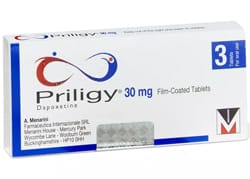
Buy Priligy Online: Best Prices and Fast Shipping Now
Dosage Protocols and Administration Patterns
Standard Daily Milligram Ranges
Priligy doesn’t follow a “one size fits all” rule. Most doctors treat the regimen like a tailor fitting a bespoke suit, adjusting the milligram strength to match your specific chemistry. You might start at a 125mg baseline, but that’s usually just the starting line in a much longer race.
If you have a higher tolerance or find symptoms are being stubborn, the dose might climb toward the 500mg mark. It is a delicate balance between getting results and managing side effects. Many people find that 250mg hits the “sweet spot,” providing relief without making them feel like they are walking through thick molasses all day.
The following table shows how these common milligram ranges typically look for different users:
| User Profile | Typical Daily Dosage | Frequency |
| Beginner/Sensitive | 125mg – 250mg | Once Daily |
| Moderate User | 250mg – 500mg | Once Daily |
| Advanced/Refractory | 500mg+ (Under Supervision) | Once Daily |
Keep in mind these numbers are just guidelines. Your doctor is the captain of this ship, and they will likely steer you toward a specific milligram count based on your blood work and medical history. Never try to self-prescribe a higher dose just because a friend found success at 500mg.
Timing and Biological Rhythms
Timing is everything when you want to maintain a steady state in your bloodstream. Many people find that taking their dose in the morning keeps them feeling steady throughout the day. However, if the medication makes you feel a bit “foggy,” switching to an evening dose can help you sleep through the peak.
When it comes to meals, consistency matters more than strict empty-stomach requirements. Some users swear by taking it with a light snack to avoid nausea. If you take it with a heavy, fatty meal, you might find the absorption rate shifts slightly, which can be a bit unpredictable.
Think of your body like a pendulum. You want to keep the rhythm steady. If you take it at 8:00 AM one day and 4:00 PM the next, you are playing a dangerous game with your physiological equilibrium. Try to anchor the dose to a daily habit, like brushing your teeth or eating breakfast.
Navigating Missed Doses and Errors
Life happens. You might miss a dose because you were caught up in the whirlwind of a busy workday. If you realize you missed it within a few hours, just take it and move on. Don’t try to “catch up” by doubling the dose the following day. That is a recipe for disaster.
Doubling up is like trying to make up for lost sleep by sleeping eighteen hours straight; it just doesn’t work and leaves you feeling terrible. If you realize you are nearly time for your next dose, simply skip the missed one. Consistency is the name of the game, not intensity.
Common pitfalls often include:
- The Double-Up Trap: Attempting to take two doses to “correct” a missed one.
- The Weekend Wanderer: Changing timing significantly because of a different sleep schedule.
- The Snack Sabotage: Drastically changing meal timing which affects absorption.
Monitoring Physiological Responses
You shouldn’t just swallow the pills and hope for the best; you need to be an active observer of your own biology. Keep a simple journal to track how you feel. Are you experiencing a sudden spike in heart rate, or perhaps a strange sense of lethargy?
When you increase your dosage from 250mg to 500mg, pay close attention to that “transition zone.” It can take a week or two for your system to settle into the new strength. If a new side effect appears, don’t panic immediately, but do note it down for your next appointment.
If you notice significant changes—like severe headaches or unexpected mood swings—reach out to your physician immediately. You might be experiencing a sensitivity to the strength. It’s better to be overly cautious than to ignore a red flag that your body is waving in your face.
Market Pricing and Cost Analysis in USD
Retail vs. Street Value
Navigating the finances of Priligy can feel like walking through a minefield of fluctuating numbers. In a controlled pharmacy setting, you are paying for the peace of mind that comes with verified potency. Retail prices tend to be higher because they cover the overhead of legitimate medical infrastructure and quality control.
On the flip side, the “street value” of the medication often presents a much lower price tag, which can be incredibly tempting. However, this is where the proverbial trap is set. Buying from unverified sources is a gamble where the stakes are your health, not just your wallet. You might save a few bucks, but you lose the guarantee of purity.
I once spoke with a patient who tried to save money by sourcing from a local contact instead of their doctor. He ended up with something that was significantly weaker than advertised. It’s a bitter pill to swallow, literally and figuratively. Always weigh the cost of a cheap pill against the cost of a medical emergency.
Bulk Savings and Long-Term Planning
If you have found a dosage that works, you likely know that consistency is your best friend. This long-term commitment often leads to a natural desire to stock up. Many reputable suppliers offer tiered pricing structures that reward those who plan ahead, making the monthly “subscription” style of buying much more palatable for the budget.
Buying in bulk is like buying in large sacks at the grocery store; the unit price drops significantly. Instead of paying for a single month’s supply every few weeks, securing a three or six-month supply can shave a considerable percentage off your total expenditure. It’s a smart move for anyone managing a chronic condition on a fixed budget.
Consider the following price breakdown to see how quantity influences the final bill:
| Quantity Option | Total Price | Price Per Unit | Savings Term |
|---|---|---|---|
| 1-Month Supply | $120 | $120 | Baseline |
| 3-Month Supply | $315 | $105 | 12.5% Off |
| 6-Month Supply | $540 | $90 | 25% Off |
Global Market Fluctuations
The price of Priligy isn’t carved in stone; it shifts like the tide. Several macro-economic factors play a role in why your local pharmacy might suddenly hike their prices. Supply chain disruptions are a major culprit. If a primary manufacturer faces a hiccup in production, the scarcity sends prices climbing upward almost overnight.
Regulatory shifts also act as a heavy hand on the scale. When health authorities implement new testing requirements or stricter manufacturing protocols, those costs are inevitably passed down to the consumer. It is a ripple effect that starts in a factory halfway across the world and ends in your personal bank account.
Currency volatility can also throw a wrench in the works. Since many pharmaceutical ingredients are traded on a global stage, a sudden dip in the value of a major currency can cause the cost of raw materials to spike. It is a complex dance of economics that keeps the market in a constant state of flux.
Hidden Fees and Logistics
The sticker price you see on a website is rarely the final number you actually pay. Many users fall into the trap of ignoring the “fine print” regarding logistics. Shipping fees can be surprisingly hefty, especially if you require expedited delivery or specialized temperature-controlled packaging to ensure the integrity of the medication.
Then there is the matter of customs duties and international tariffs. If you are ordering from a supplier located outside your home country, your package might get stuck in a bureaucratic limbo. You might find yourself paying an unexpected “entry fee” to your local government before the package is released to your doorstep.
To avoid these financial hiccups, keep a close eye on these potential extra costs:
- Expedited Shipping: Often adds a significant premium to the total.
- Customs Duties: Unpredictable fees levied by your national border agency.
- Insurance Fees: Small charges to ensure the package is covered against loss.
- Handling Surcharges: Often tucked away at the final checkout screen.
Sourcing Methods and Procurement Safety
Spotting Red Flags in Online Vendors
Navigating the digital pharmacy landscape is like walking through a minefield without a metal detector. You might stumble upon a website that looks polished and professional, but appearances can be incredibly deceiving. A vendor claiming to offer prices that are suspiciously low—say, 50% less than any legitimate pharmacy—should immediately trigger your internal alarm bells.
Watch out for sites that lack clear contact information or a physical address. If a company refuses to provide a way to speak with a human being, they are likely ghosting you the moment your money vanishes. A legitimate business stands by its reputation and provides transparent channels for customer support and inquiries.
Another massive red flag is the “too good to be true” pharmacy model. If a site claims to sell prescription-strength medication without requiring a valid prescription from a licensed doctor, you are playing with fire. These rogue operators often bypass essential safety regulations, leaving you to guess exactly what is inside those unlabeled plastic bottles.
Lastly, keep an eye on the user interface and domain age. A website that looks like it was designed in the late nineties, or one that only accepts certain, highly untraceable payment methods, is a major warning sign. If the site feels “off” or rushed, trust your gut and walk away before you commit.
Verification Steps for Product Authenticity
Once you have narrowed down your choices, you need to play detective to ensure the medicine is the real deal. The first step is checking for regulatory certifications. Look for symbols from recognized bodies like the VIPP or legitimate pharmacy accreditation boards. These seals of approval are the gold standard for safety and quality.
Don’t just take their word for it; look for third-party laboratory testing results. Reputable suppliers are often willing to provide certificates of analysis (COA) to prove that their batches meet strict purity standards. If a vendor treats a request for testing data like a state secret, they are likely hiding something significant.
When the package finally arrives, perform a physical inspection of the packaging. The box should be pristine, with no signs of tampering, crushed corners, or moisture damage. Check the expiration dates and batch numbers against the information provided on the official manufacturer’s website to ensure everything aligns perfectly.
Finally, pay close attention to the physical characteristics of the pills themselves. They should have a uniform color, shape, and texture. If a pill looks crumbly, has an unusual odor, or appears to be a different shade than previous batches, do not ingest it. It is better to be safe than to risk a reaction.
The Perils of Third-Party Marketplaces
Many people find themselves scrolling through massive global marketplaces, tempted by the sheer variety of options available. While these platforms offer convenience, they are also a breeding ground for counterfeiters. These marketplaces often act as middlemen for individual sellers who operate in the shadows, far from the eyes of regulatory agencies.
The risk here is that the platform itself may not vet every individual seller with the same rigor as a dedicated pharmacy. You might think you are buying from a trusted brand, but the actual product could be coming from a basement operation in a different country. This lack of oversight turns every transaction into a high-stakes gamble.
If a product arrives and it is not what you ordered, getting a refund on a third-party marketplace can be an absolute nightmare. Many of these platforms have convoluted dispute processes that favor the seller, leaving the buyer out of pocket and empty-handed. You are essentially fighting a losing battle against a digital ghost.
It is vital to realize that a “verified seller” badge on a marketplace is not a medical guarantee. It simply means they have met the platform’s minimum requirements, which are often far below pharmaceutical safety standards. Always prioritize specialized, dedicated pharmacies over the convenience of a general-purpose online shopping mall.
The Anatomy of a Secure Transaction
When you finally decide to pull the trigger on a purchase, the way you pay is just as important as what you are buying. You should never, under any circumstances, send money via wire transfer, Western Union, or direct cryptocurrency to a vendor you don’t know. These methods are like throwing cash into a black hole; once it’s gone, it’s gone forever.
The gold standard for online shopping is using a credit card or a secure third-party payment processor like PayPal. These services offer robust buyer protection programs. If the package never arrives or the product is fraudulent, you can initiate a chargeback or a dispute to reclaim your funds and protect your hard-earned money.
A secure transaction should also involve a clear, itemized receipt sent to your email immediately after the purchase. This document should include the order number, the specific items purchased, the shipping address, and the total cost. If the checkout process feels clunky or asks for excessive, unnecessary personal information, abort the mission immediately.
To keep your finances safe, consider using a dedicated virtual credit card for online pharmacy purchases. Many modern banking apps allow you to create a temporary card number with a set spending limit. This creates a digital firewall between your primary bank account and the internet, adding an extra layer of ironclad security.
Shipping Logistics and Delivery Timelines
Once you hit that “order” button, the clock starts ticking. Navigating the transit phase can feel like watching paint dry if you aren’t prepared for the timeline. Most domestic orders tend to move with a certain briskness, typically arriving at your doorstep within 3 to 7 business days depending on the carrier used.
International shipping, however, is a different beast entirely. It is less of a sprint and more of a marathon across borders. You should prepare for a window of 14 to 28 days for most overseas deliveries. This extra time accounts for the inevitable hiccups that occur when a package travels through multiple sorting hubs.
If you are in a rush, it is worth noting that expedited shipping options are often available for an additional fee, usually starting around $15. While it might feel like a splurge, paying for a premium service can shave a week off your wait time. It’s essentially buying peace of mind to avoid the agonizing suspense.
The reality of global logistics means that “estimated” is the keyword. Weather patterns, staffing shortages at local postal hubs, or even a sudden surge in seasonal shopping can throw a wrench in the works. Always keep a buffer in your schedule to ensure you aren’t left staring at an empty mailbox.
Privacy and Discreet Packaging
Privacy is the cornerstone of a successful delivery. No one wants their neighbor or a curious roommate to know exactly what is inside a package. To prevent any awkward conversations, reputable providers utilize “stealth shipping” methods. This means the exterior of the box looks entirely mundane and unremarkable.
You won’t see flashy branding or any mention of pharmaceutical products on the outside. Instead, you might receive a plain brown box or a padded envelope that looks like it contains a harmless household item, like a book or a cheap electronic gadget. This level of discretion is non-negotiable for many users.
The return address is often a generic logistics company name rather than a specific pharmacy brand. This layer of anonymity ensures that your medical business remains strictly between you and the courier. It’s a silent pact between the vendor and the customer to maintain total confidentiality during the entire transit process.
Even if a package is opened for inspection by a customs agent, the inner packaging is typically vacuum-sealed or placed in opaque, scent-proof bags. This prevents any accidental exposure to the contents. It is a multi-layered defense designed to keep your personal health matters under a tight shroud of secrecy.
Tracking and Vanishing Packages
In this digital age, “flying blind” is simply not an option. Every legitimate order should come with a unique tracking number sent directly to your email. This allows you to monitor the package’s journey in real-time, seeing exactly when it clears a hub or hits a local distribution center.
Sometimes, things go sideways and a package seems to vanish into thin air. If your tracking hasn’t updated in over ten days, don’t panic, but do take action. First, check with your local post office to see if they are holding it for pickup. Occasionally, a “delivery attempted” notice is tucked away in a hidden spot.
If the status remains stuck in limbo, reach out to the vendor immediately. A professional supplier will have a protocol for lost shipments, which often involves a replacement order or a full refund. If they start making excuses or dodging your emails, that is a massive red flag that you might be dealing with a scam.
Keep a digital paper trail of all your communications. If you have to file a dispute with your bank or PayPal, having copies of your emails to the seller is your best weapon. Think of it as your insurance policy against the occasional logistical hiccup that occurs in global trade.
Customs and Documentation Hurdles
Crossing international borders is where things get complicated. Customs officials act as the gatekeepers of every country, and they have a strict set of rules regarding what can enter their territory. If your package contains items that are heavily regulated, it might get flagged for inspection or even seized.
To minimize the risk of a “customs nightmare,” ensure all necessary documentation is included in the shipment. This often includes a detailed commercial invoice. While most reputable vendors handle this automatically, it is always a good idea to verify that the paperwork matches your order perfectly to avoid any delays.
If a package is held in customs, it can add anywhere from a week to a month to your delivery time. In some extreme cases, you might be required to pay import duties or taxes before the package is released. These fees can vary wildly depending on your specific country’s local regulations.
To stay ahead of the curve, it is wise to research your local laws before placing an order. What is perfectly legal in one jurisdiction might be a gray area in another. Being informed is the best way to ensure your order sails through customs without causing any unnecessary legal headaches.
| Shipping Type | Estimated Time | Estimated Cost |
| Domestic Standard | 3-7 Days | $0 – $5 |
| Domestic Express | 1-3 Days | $15 – $25 |
| International Standard | 14-28 Days | $20 – $40 |
Comparative Efficacy and Alternative Options
Comparing Brand Name and Generics
When it comes to Priligy, many men find themselves at a crossroads between the high-priced brand name and the budget-friendly generic equivalent. The active ingredient, dapoxetine, is the star of the show in both versions. While the packaging might look different, the chemical blueprint remains essentially the same for both options.
Some users swear by the original brand, claiming it provides a more predictable “kick” when they need it most. They argue that the manufacturing standards of the brand name ensure a smoother ride. However, science suggests that as long as the generic is from a reputable manufacturer, the efficacy should be virtually identical.
On the flip side, the cost-benefit analysis often tips the scales toward the generic. If you are using this medication on a regular basis, the savings can be substantial. It is like choosing between a designer label and a high-quality store brand; both do the job, but one leaves more cash in your wallet.
Ultimately, the choice depends on your personal tolerance and your budget. If you are feeling cautious, starting with the brand name might offer peace of mind. Once you know how your body reacts, switching to a generic can be a smart way to manage your long-term wellness expenses.
How It Stacks Up Against Other Options
Priligy isn’t the only player on the field when it comes to managing premature ejaculation. Some men turn to topical creams or sprays that act as a local anesthetic. These are often much cheaper, but they can feel like a “dull blade” because they might reduce sensation too much for both partners.
Oral medications like SSRIs are another avenue, but they often come with a heavy baggage of side effects. Unlike Priligy, which is designed specifically for this purpose, traditional antidepressants are often used “off-label.” This can lead to issues like persistent fatigue or mood changes that can dampen the mood entirely.
When you compare these to Priligy, the specialized nature of dapoxetine stands out. It is a “surgical strike” rather than a broad-spectrum approach. It targets the specific physiological need without the overwhelming systemic side effects often associated with older, non-specialized pharmaceutical alternatives.
Choosing between these methods is a bit like choosing a tool for a specific job. A hammer works for many things, but a specialized screwdriver is better for a delicate task. For many, the precision of Priligy makes it the preferred choice over the blunt force of topical numbing agents.
Analyzing the Cost-Benefit Ratio
Let’s talk turkey when it comes to the bottom line. A prescription for brand-name Priligy can easily set you back a significant amount of money. For many, the price tag feels like a steep mountain to climb, especially when you consider the ongoing nature of the treatment.
Generics, however, can slash that price by a massive margin. You might find that a single pack of generics costs less than a single dose of the brand name. This makes a huge difference if you are looking at a six-month supply. It is the difference between a luxury splurge and a sensible investment.
However, the “hidden cost” of cheap generics is the risk of poor quality. If you buy from a shady source just to save a few bucks, you might end up with something that is essentially a placebo. In that case, you have wasted your money and your time, which is a double loss.
To get the best bang for your buck, aim for a middle ground. Look for reputable online pharmacies that offer generic versions with verified reviews. This approach allows you to enjoy the savings of a generic while maintaining the high standards of a professional medical supplier.
User Experiences and Onset Times
What do people actually say when the lights go down? User-reported experiences regarding Priligy are generally positive, with many noting that the onset of action is relatively quick. Most men report feeling the effects within about one to three hours after taking the tablet.
Some users describe the sensation as a “safety net” that allows them to relax and enjoy the moment without the constant anxiety of timing. This psychological boost is often just as important as the physical effect. When the fear of finishing too early is gone, the actual experience improves significantly.
A common complaint among some users involves the “hangover” effect. A small percentage of people report feeling slightly groggy or having a mild headache the next day. It is not a dealbreaker for most, but it is something to keep in mind when planning your evening.
In terms of potency, most feedback suggests that the medication is highly effective at delaying climax. While it isn’t a “magic pill” that works for everyone every single time, it is widely considered a reliable tool in the toolkit. As always, individual biology plays a massive role in how you respond.
| Option Type | Estimated Cost (Per Month) | Primary Advantage |
| Brand Name Priligy | $120 – $200 | Guaranteed Purity |
| Generic Dapoxetine | $30 – $60 | High Affordability |
| Topical Sprays | $15 – $40 | Low Systemic Impact |
Usage Scenarios and Practical Application
Timing the Intervention
Timing is everything when it comes to sexual performance, much like timing a perfect golf swing. You wouldn’t want to walk onto the green without a plan, and the same applies here. Taking the medication too early might result in the effects wearing off before the main event even begins.
Most experts suggest that you should aim to take your dose roughly one to three hours before you anticipate intimacy. This window allows the dapoxetine to reach its peak concentration in your bloodstream. If you wait until the very last second, you might find yourself playing catch-up when it matters most.
However, don’t treat this like a scheduled appointment that requires rigid precision. Everyone’s metabolism is a bit different, much like how two people can drink coffee and react in wildly different ways. It is often wise to test the waters during a low-stakes evening to see how your body responds.
Consistency in your timing can help reduce the “performance anxiety” that often accompanies the first few uses. Once you know exactly how long it takes for the medication to kick in, you can approach your partner with a newfound sense of confidence. It turns a stressful guessing game into a predictable routine.
Managing Your Expectations
It is vital to remember that Priligy is a tool, not a magic wand. While it is incredibly effective for many, it won’t turn a marathon into a sprint overnight. Think of it as a stabilizer that helps you stay in the driver’s seat rather than a complete overhaul of your biology.
Some men expect a total loss of sensation, but that is rarely the case with dapoxetine. Instead, it works by subtly adjusting the neurological signals that trigger climax. You should expect a manageable delay that allows for more intimacy, rather than a complete decoupling of pleasure and sensation.
Results can vary based on your current stress levels, alcohol consumption, and even what you ate for dinner. If you go into the encounter expecting a cinematic, flawless performance every single time, you might be disappointed. Approach the medication with a mindset of “enhancement” rather than “perfection.”
If you find that the results are not quite hitting the mark, don’t throw in the towel immediately. Sometimes, the body needs a few sessions to settle into the rhythm of the medication. It is a marathon, not a sprint, and finding your “sweet spot” often takes a little bit of trial and error.
Lifestyle and Complementary Habits
Taking a pill is only one piece of a much larger puzzle. If you are living on caffeine and junk food, even the best medication might struggle to perform its best. A healthy cardiovascular system is the bedrock of sexual health, as blood flow is the engine of arousal.
Consider making small adjustments to your daily routine to support the medication’s efficacy. Regular exercise, specifically cardiovascular training, can significantly improve your overall stamina and blood circulation. It is like tuning up the engine of a car so that the fuel performs more efficiently.
Many men find that reducing alcohol intake makes a world of difference. While a glass of wine might seem relaxing, alcohol is a depressant that can interfere with the medication’s intended effects. It can muddy the waters, making it difficult to tell if the pill is working or if the booze is winning.
Focusing on stress management through meditation or light yoga can also provide a massive boost. Anxiety is the enemy of intimacy; it creates a physiological feedback loop that works against you. When you are mentally calm, the medication can do its job without fighting against a racing heart.
Consulting the Professionals
When should you pick up the phone and call your doctor? If you feel like you are running on a treadmill that is moving too fast, it is time to talk. If the medication provides little to no relief after several consistent attempts, your biological “settings” might need professional adjustment.
You should also reach out if the side effects start feeling more like a burden than a minor inconvenience. While mild nausea is common, persistent dizziness or significant changes in mood are red flags. You shouldn’t have to choose between sexual satisfaction and general well-being.
It is also crucial to discuss any other medications you are currently taking. Some drugs can interact with dapoxetine, creating a “clash of the titans” in your system. A professional can help you navigate these interactions to ensure your treatment is both safe and effective.
Don’t be afraid to be blunt with your physician. They have heard it all before, and they are there to help you find a solution that works for your specific lifestyle. Being proactive about your sexual health is a sign of maturity, not something to be ashamed of.