


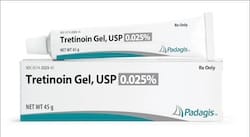
Buy Tretinoin Gel Online for Best Skin Results
Navigating Tretinoin Gel Dosage and Application Rhythms
Starting a tretinoin regimen often feels like learning to ride a bicycle without training wheels. You might feel a surge of confidence one day, only to hit a patch of unexpected redness the next. It is a delicate balance between clinical efficacy and skin resilience that requires a steady hand and a lot of patience.
Most dermatologists suggest starting with a pea-sized amount, roughly the size of a single grain of rice. Using more won’t speed up the magic. It will only turn your complexion into a battlefield of peeling and irritation. Think of it as a slow simmer rather than a high-heat boil for your face.
Consistency is the name of the game here. While it is tempting to slather it on every night to see instant results, that is a recipe for disaster. You must listen to your skin’s internal compass. If your face feels tight or stings like a swarm of bees, it is time to back off.
Many users find success with a “sandwich technique” to mitigate dryness. Apply a lightweight moisturizer first, let it dry, apply the tretinoin gel, and then seal everything in with a second layer of cream. This buffer acts like a protective shield for your moisture barrier during the initial adjustment phase.
The Learning Curve of Frequency
If you are a newcomer, do not jump into the deep end of the pool. Starting with a twice-weekly application allows your cells to acclimate to the retinoid’s potency. It is better to move slowly and stay steady than to rush and end up retreating to basic petroleum jelly for a week.
As your skin builds its tolerance, you can gradually increase the rhythm. Moving from twice a week to every other night is a common milestone. Some people eventually graduate to nightly use, but this is a personal journey that varies as much as the weather in a coastal town.
Watch for the “purging” phase, which can be quite a bumpy ride. You might see small breakouts as the gel accelerates cell turnover, pushing impurities to the surface. It is a bittersweet moment; it looks messy, but it means the medication is actually doing its job under the hood.
Keep a journal or a simple note on your phone to track these changes. Noting which nights caused redness helps you identify patterns. If you notice a flare-up, dial back the frequency immediately. It is much easier to fix a minor irritation than to repair a severely compromised skin barrier.
| Phase | Frequency | Primary Goal |
| Adaptation | 2x per week | Minimize irritation |
| Integration | Every other night | Build tolerance |
| Maintenance | Nightly | Maximum efficacy |
Timing and Environmental Factors
Timing is everything when dealing with this potent gel. Tretinoin is notoriously sensitive to light, which can degrade its effectiveness before it even penetrates your skin. Always apply it in your evening routine, ensuring your bathroom is dim and your skin is completely, bone-dry before application.
Applying gel to damp skin is a common pitfall. Water acts as a conductor, pulling the medication deeper and faster than intended. This can lead to intense stinging and localized peeling. Wait at least twenty minutes after washing your face before you reach for the tube.
Sunlight is the ultimate nemesis of a tretinoin user. Because the gel makes your skin more photosensitive, your morning routine must include a broad-spectrum SPF 30 or higher. Think of your sunscreen as your insurance policy; without it, the sun will undo all your hard work.
Seasonality also plays a massive role in how your skin reacts. During the harsh, biting winds of winter, you might need to scale back your usage or increase your heavy emollients. In the humid summer, your skin might handle more frequent applications without breaking a sweat.
The Real Cost of Clear Skin: Pricing Breakdown in USD
Navigating the Retail Landscape
Walking into a pharmacy can feel like entering a high-stakes negotiation where the rules are written in fine print. You might see various price tags that seem to dance around the actual cost of treatment. It is important to understand that you are paying for both the active ingredient and the delivery system.
Some people swear by high-end boutique brands, while others find success with generic alternatives found at local drugstores. The difference in price can be quite staggering, sometimes resembling the gap between a luxury sedan and a reliable hatchback. You must decide if you want premium packaging or pure clinical potency.
Online prescription services have changed the game significantly over the last few years. They often offer subscription models that lower the barrier to entry for many users. However, always keep a close eye on the shipping fees and the terms of your monthly commitment before you hit that “buy” button.
Budgeting for this treatment requires a long-term perspective rather than a quick glance at your receipt. Since consistency is the key to seeing actual results, a sudden spike in cost can derail your progress. Treat your skincare budget like a monthly utility bill rather than a one-time luxury expense.
The following table provides a snapshot of how different purchasing methods typically impact your wallet over time.
| Purchasing Method | Quantity/Duration | Estimated Cost | Terms |
|---|---|---|---|
| Generic Prescription | 0.05% Gel (1 oz) | $45 | One-time purchase |
| Subscription Service | 0.05% Gel (3-month supply) | $90 | Recurring monthly |
| Premium Brand | 0.05% Gel (0.5 oz) | $120 | Variable pricing |
| Compounded Formula | Customized Strength | $150 | Requires RX |
Hidden Expenses and Maintenance
It is a bit of a trap to think that the gel is your only necessary expense. If you are using this potent ingredient, you are essentially signing up for a whole new ecosystem of products. Your skin’s needs will change, and your wallet will feel the ripple effects of those changes.
A high-quality, non-comedogenic moisturizer becomes a non-negotiable companion in this journey. You cannot afford to skimp on hydration when your skin is undergoing such intense cellular turnover. Think of it as buying a high-performance engine; you cannot run it on low-grade, watered-down fuel without asking for trouble.
Sunscreen is another mandatory addition to your financial planning. Without a daily SPF, you are essentially throwing your money down the drain because the sun will cause pigmentation issues. It is a bitter pill to swallow, but investing in protection is just as vital as the gel itself.
Lastly, keep a small “emergency fund” for those unexpected flare-ups. Sometimes, a sudden bout of irritation requires a soothing, barrier-repair cream or a calming serum to get things back on track. Being prepared for these minor setbacks prevents a small skin issue from becoming a costly dermatological crisis.
Shipping Logistics and Protecting Your Potency
The Perils of Transit and Temperature
Imagine ordering a delicate soufflé and having it delivered via a driver who thinks he is in a high-speed chase. That is essentially what happens when tretinoin is exposed to extreme heat during transit. This ingredient is notoriously finicky and sensitive to its environment. If the package sits in a hot delivery truck for hours, you might be paying for expensive, useless sludge.
Heat is the silent killer of your skincare investment. When the molecular structure of the gel breaks down due to high temperatures, its efficacy plummets. You might notice the texture changing or a strange scent emerging. It is a frustrating feeling to realize your hard-earned money has essentially evaporated into thin air because of a logistics mishap.
To avoid this, always opt for shipping methods that prioritize speed over the lowest possible cost. While waiting an extra week for a cheaper shipping option might seem wise, it is a gamble. You are essentially rolling the dice with the chemical stability of your medication. Sometimes, paying an extra $10 for overnight shipping is the best insurance you can buy.
Once your package arrives, do not let it sit on a scorching porch in the sun. If you notice the box feels warm to the touch, handle it with care. You want to move that product into a climate-controlled environment immediately. Treat your shipment like a box of fine chocolates that cannot handle a summer heatwave.
Storage Strategies for Maximum Efficacy
Once the gel is safely inside your home, the real work of preservation begins. Many people make the mistake of keeping their products on a bathroom counter near a steaming shower. This is a recipe for disaster. The constant fluctuation in humidity and temperature can wreak havoc on the formula’s stability over time.
A cool, dark drawer is your best friend in this endeavor. Keeping your tube tucked away in a bedroom dresser or a dedicated skincare fridge is a smart move. Sunlight is a natural enemy to many active ingredients, so avoid keeping the tube on a windowsill where the midday sun can bake it through the plastic.
The cap is your primary line of defense against oxidation. Always ensure the lid is screwed on tight after every single use. Even a tiny amount of air entering the tube can trigger a slow decay of the active components. It might seem like a small detail, but consistency in closing the lid is vital for long-term potency.
If you find yourself living in a particularly tropical or humid climate, you might need to be even more vigilant. Consider using a travel case that offers extra insulation if you are moving the product between locations. Protecting your gel is a marathon, not a sprint, and your skin will thank you for the effort.
Below is a quick checklist to ensure your product remains at peak performance throughout its lifecycle:
- Check the seal immediately upon delivery to ensure no heat damage occurred.
- Avoid the bathroom vanity if it is located directly next to a shower.
- Store in a dark drawer to minimize exposure to ambient light.
- Tighten the cap firmly after every application to prevent oxidation.
Tretinoin Gel vs. Retinol: Which One Wins?
The Battle of Potency and Speed
Think of retinol as a friendly neighbor who waves hello; it is gentle, predictable, and plays by the rules. On the other hand, tretinoin gel is more like a high-performance race car. It is much faster, much more intense, and requires a professional driver to handle its raw power without crashing.
Retinol is a derivative of Vitamin A that your skin must actually convert into retinoic acid before it can start working. This conversion process is like a slow walk through a park. While it is much easier on the skin, it can take many months to see any significant changes in fine lines or texture.
Tretinoin, however, is pure retinoic acid. It doesn’t wait for your skin to do the heavy lifting; it goes straight to work on the cellular level. This immediate action is why dermatologists often prescribe it for stubborn acne or deep wrinkles. It is a heavy hitter that skips the small talk and delivers results.
Choosing between them often feels like deciding between a slow-cooked stew and a flash-fried steak. One is comforting and low-risk, while the other is intense and demands your full attention. If your skin is particularly sensitive, jumping straight into the deep end with tretinoin might feel like a shock to the system.
Comparing the Cost and Commitment
When you look at the price tag, the comparison gets a bit murky. Retinol is widely available in drugstores, with many decent options priced between $15 and $40. It is a low-stakes entry point for anyone looking to dip their toes into the world of anti-aging without breaking the bank.
Tretinoin gel is a different beast entirely. Because it is often a prescription-strength medication, you might see costs ranging from $50 to over $150 depending on the concentration and the pharmacy. You aren’t just paying for a cream; you are paying for a clinical-grade tool that has been vetted by medical professionals.
The real “cost” of tretinoin isn’t just the sticker price, though. It is the time and patience required to navigate the “retinization” phase. You might deal with peeling, redness, or dryness for several weeks. It is a commitment to a process that requires a steady hand and a very good moisturizer.
If you are on a tight budget, a high-quality retinol might be your best bet for maintaining skin health. However, if you are fighting an uphill battle against deep pigmentation or severe acne, the extra investment in tretinoin is often the winning move. It is about choosing the right tool for the specific job at hand.
| Feature | Retinol | Tretinoin Gel |
| Strength | Low to Moderate | Very High |
| Speed of Results | Slow (Months) | Fast (Weeks/Months) |
| Irritation Risk | Minimal | Moderate to High |
| Typical Price | $15 – $40 | $50 – $150+ |
Managing Side Effects and Skin Barrier Recovery
Navigating the Retinization Rollercoaster
Using tretinoin gel is rarely a smooth ride from day one. Many users describe the initial weeks as a “skin purge” or a period of intense irritation. You might notice your face feeling tight, looking slightly flaky, or turning a shade of pink that suggests you’ve spent too much time in the sun.
Think of this phase as your skin’s way of recalibrating. It is essentially a controlled renovation of your facial landscape. While the peeling might feel like a nuisance, it is often a sign that the medication is working its magic deep within the dermis. However, there is a fine line between “working” and “wrecking” your skin.
If your skin starts feeling like sandpaper, do not panic. This is a common occurrence when the cellular turnover rate accelerates faster than your moisture barrier can keep up. Instead of pushing through the pain, listen to your skin. If it burns when you apply even a basic moisturizer, you are likely overdoing it.
I once had a client who insisted on using her gel every single night during the first week. Within four days, her skin was so compromised she couldn’t even use water without stinging. The lesson here is simple: patience is your best friend. You have to dance with tretinoin, not try to wrestle it to the ground.
Building a Fortified Defense System
To prevent a total breakdown of your skin’s natural defenses, you need to adopt a “sandwich technique.” This involves applying a thin layer of moisturizer, followed by your tretinoin gel, and then another layer of moisturizer on top. This acts as a buffer, slowing down the penetration and reducing the immediate shock.
Hydration is non-negotiable during this process. You should look for ingredients like ceramides, hyaluronic acid, and glycerin. These act as the “mortar” between your skin cells, sealing in moisture and keeping the bad stuff out. A high-quality barrier cream can cost anywhere from $20 to $60, but it is a vital investment.
Sunscreen is the other half of the equation. Tretinoin makes your skin incredibly sensitive to UV rays. If you are skipping SPF, you might as well be undoing all your progress. Even on cloudy days, a broad-spectrum SPF 30 or higher is mandatory. Think of it as a shield for your newly exposed, vulnerable skin cells.
If you find yourself in a state of “retinoid burn,” stop all actives immediately. Strip your routine back to the bare essentials: a gentle, non-foaming cleanser, a thick ceramide cream, and sunscreen. This “recovery mode” might last a week or two, but it is much better than dealing with a long-term chemical burn.
The Recovery Toolkit
When things go sideways, you need a plan of attack. Having a dedicated set of soothing products on hand can turn a minor irritation into a minor inconvenience. Avoid any products containing exfoliants like AHAs, BHAs, or physical scrubs while your skin is in this sensitive state.
Below is a list of essential items to keep in your cabinet to help manage the inevitable side effects of tretinoin gel application:
- Ceramide-rich creams to repair the lipid barrier.
- Hyaluronic acid serums to pull moisture into the skin layers.
- Mineral-based sunscreens to avoid further irritation from chemical filters.
- Occlusive ointments for applying to particularly dry or peeling patches at night.
Sometimes, the best way to manage side effects is to simply slow down the frequency of use. If you are applying it nightly and experiencing redness, drop back to twice a week. It is better to build up tolerance slowly than to burn your skin and have to stop the treatment altogether.
Keep a watchful eye on your skin’s texture and color. A little bit of flaking is normal, but intense swelling or oozing is a sign to step away and consult a professional. Treat your skin like a delicate silk fabric; if you are too rough, the damage is much harder to fix than it is to prevent.