


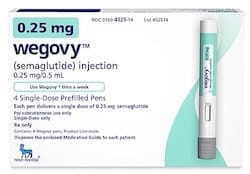
Buy Wegovy Online: Compare Prices and Order Today
Navigating the Wegovy Prescription Process
Walking into a doctor’s office to discuss weight management can feel like stepping into a courtroom. You might feel the weight of judgment before you even sit down. However, securing a Wegovy prescription is less about willpower and more about a clinical dialogue regarding your metabolic health markers.
Your physician will likely start by checking the boxes for medical necessity. This isn’t just a casual chat over coffee; it is a rigorous assessment of your Body Mass Index (BMI) and potential comorbidities. They are looking for evidence that your weight is a significant hurdle to your overall long-term wellness.
Think of your doctor as a navigator on a complex map. They need to ensure that this specific chemical pathway is the right tool for your unique physiological terrain. It’s not a “one size fits all” situation, and they will want to see a history of trying other lifestyle interventions first.
Once the clinical criteria are met, the ball moves to the pharmacy. This is where the paperwork dance begins. You might find yourself navigating a labyrinth of prior authorizations that can feel like a full-time job just to get a single shipment approved by your insurance provider.
The Clinical Requirements
Most clinicians follow a strict set of guidelines to ensure patient safety. You generally need to meet one of two primary criteria to qualify for the medication. It is a high bar, but it ensures the drug is used for its intended medical purpose rather than as a quick fix.
The standard requirements usually involve one of these two scenarios:
- A BMI of 30 or greater, which is officially classified as obesity.
- A BMI of 27 or greater, provided you also have at least one weight-related condition.
If you fall into the second category, your doctor will need to document those specific health issues in your medical record. They might order blood work to check your glucose levels or lipid profiles. It is a thorough process, but it keeps you safe from the start.
Don’t be surprised if your doctor suggests a “wait and see” approach with other interventions first. They want to see if diet and exercise can move the needle before introducing a powerful pharmaceutical tool. It’s about building a foundation that won’t crumble once the medication is eventually tapered.
Understanding the Cost Landscape
Let’s talk about the elephant in the room: the price tag. Wegovy is not exactly a budget-friendly luxury; it is a significant investment in your health. Depending on your insurance coverage, the out-of-pocket costs can vary wildly from month to month.
If you are paying the full retail price without any insurance assistance, prepare for a sting. Prices can fluctuate based on your location and the specific pharmacy. On average, you might see costs that look something like this:
| Scenario | Estimated Monthly Cost |
| Full Retail (No Insurance) | $1,300 – $1,600 |
| With Insurance Co-pay | $25 – $150 |
It is a bit of a roller coaster. One month you might be fine, and the next, a change in your plan’s formulary could leave you staring at a massive bill. Many patients find themselves scouring the internet for manufacturer coupons or discount cards to shave a few bucks off the top.
Always ask your pharmacist about “preferred” pharmacies. Sometimes, switching from a big-box retail chain to a local specialty pharmacy can save you hundreds. It is worth the phone calls and the waiting music to ensure your budget doesn’t break under the weight of the prescription.
Wegovy Dosage Schedules and Titration
Think of your Wegovy journey not as a sprint, but as a slow, deliberate climb up a steep mountain. You wouldn’t try to sprint to the summit on your first day; your body needs time to adjust to the changing altitude. This metabolic ascent requires a very specific, step-by-step approach to avoid unnecessary discomfort.
The concept of titration is essentially teaching your body how to handle the medication. If you jump straight into a full dose, you might feel like you’ve swallowed a heavy stone. Nausea and digestive hiccups are common if you rush the process, so patience is your best friend during these early weeks.
Doctors follow a strict ladder of increasing doses to build up your tolerance. This method ensures that your gastrointestinal system isn’t caught off guard by the sudden surge in GLP-1 levels. It is a cautious, scientific dance designed to maximize weight loss while minimizing the side effects that often cause people to quit early.
Most people start on a very low “starter dose.” This is a foundational step that prepares your internal chemistry for the more potent levels to come. It might feel like you aren’t doing much at first, but you are actually laying the groundwork for long-term success and stability in your metabolic health.
The Escalation Ladder
The titration schedule follows a predictable pattern of monthly increases. You typically stay on a specific dose for four weeks before moving up to the next rung on the ladder. This four-week window allows your body to stabilize, ensuring that any side effects are manageable before you add more medication to the mix.
If you find that a certain dose works perfectly for you, your doctor might decide to keep you there. There is no rule that says you must move up if you are already seeing results and feeling fine. The goal is the sweet spot where you see progress without feeling miserable every single day.
However, if you hit a plateau or if the side effects become a mountain too high to climb, your physician might suggest staying at your current level. It’s a personalized roadmap, not a rigid script. Listen to your body, as it is the best indicator of whether the dose is right for you.
Commonly, the titration follows this general sequence of increasing milligram amounts:
- 0.25 mg once weekly (Starter Phase)
- 0.5 mg once weekly
- 1.0 mg once weekly
- 1.7 mg once weekly
- 2.4 mg once weekly (Maintenance Phase)
Comparing Monthly Medication Tiers
Understanding the financial commitment of each tier is vital for your long-term planning. As you move up the dosage ladder, the cost of your monthly supply may shift depending on your specific pharmacy’s pricing structure and your insurance coverage. Use the following table to gauge potential monthly expenses.
| Dosage Level | Typical Monthly Cost (Out-of-Pocket) | Primary Goal |
|---|---|---|
| 0.25 mg – 0.5 mg | $1,100 – $1,300 | Tolerance Building |
| 1.0 mg – 1.7 mg | $1,200 – $1,450 | Weight Loss Induction |
| 2.4 mg | $1,300 – $1,600 | Maintenance/Maximum Effect |
It is important to remember that these figures are estimates. Your insurance provider is the ultimate gatekeeper of your actual cost. Always call your benefits coordinator to see if your plan has a “preferred” tier for different strengths of the same medication, as this can drastically change your monthly bill.
Some patients find that they can stay at a lower dose for several months. If you are losing weight steadily and your appetite is well-controlled, don’t feel pressured to rush to the highest dose. Sometimes, the lower dose is the “goldilocks” zone for your unique biology, saving you both money and discomfort.
Cost Analysis and Wegovy Price in USD
Navigating the Financial Landscape
Opening your wallet for a long-term metabolic treatment can feel like staring into a bottomless pit. Many patients enter this journey expecting a smooth ride, only to find that the financial reality has a few sharp turns. It is essential to approach your budget with a clear head and an open eye toward the total monthly commitment required.
The sticker price of a single monthly pen is often just the tip of the iceberg. You must also account for the recurring costs of needles, alcohol wipes, and the administrative fees some pharmacies tack on. It’s like buying a car; the initial purchase is one thing, but the maintenance and fuel costs are what truly impact your long-term savings.
I once spoke with a patient who felt blindsided by their pharmacy bill. They had accounted for the medication itself but forgot that their insurance required a “specialty pharmacy” designation. This distinction often comes with higher co-pays and different processing rules. Always ask if your provider requires a specific pharmacy to keep your costs from skyrocketing.
Budgeting for Wegovy requires a proactive stance rather than a reactive one. If you wait until the bill arrives to realize you are overextended, you might find yourself in a tight spot. Treat your medication budget like a dedicated savings account, setting aside a little extra each month to cushion against unexpected price fluctuations or pharmacy shifts.
The Role of Insurance and Copays
Insurance coverage is the great wild card in the equation of weight management. For some, the provider picks up the lion’s share, leaving only a manageable copay. For others, the “prior authorization” process feels like a bureaucratic marathon that requires endless documentation from your physician to prove medical necessity.
If your plan classifies Wegovy as a “specialty drug,” prepare for a different set of rules. Specialty tier drugs often require a fixed copay or a percentage of the total cost rather than a flat fee. This can mean the difference between paying $50 and paying $1,000 out of your own pocket every single month.
Do not assume your coverage is set in stone. Policies change, and what was covered last year might be excluded this year. It is worth checking your benefits summary at least once a quarter. Being proactive is the best way to avoid a sudden, unpleasant shock to your monthly household expenses or your savings account.
Some employers offer wellness stipends or health savings accounts that can act as a financial safety net. If you have an HSA or FSA, these funds are perfect for covering these high-cost prescriptions. Using pre-tax dollars is like getting a small discount on every single dose you purchase throughout your entire journey.
When discussing costs with your doctor, be vocal about your financial constraints. There are occasionally manufacturer assistance programs or patient assistance programs that can help bridge the gap. While they aren’t a magic wand, they can sometimes provide a much-needed lifeline for those struggling with the high out-of-pocket costs.
Estimating Your Total Monthly Investment
When you sit down to crunch the numbers, look beyond the base price of the medication. A truly accurate estimate should include everything that leaves your bank account. This holistic view prevents the “sticker shock” that many people experience when they realize the true cost of sustained, long-term weight management.
Consider these common additional expenses when calculating your monthly budget:
- Pharmacy dispensing fees or specialty handling charges.
- Co-insurance percentages if you have a high-deductible plan.
- The cost of supplemental supplies like sharps containers.
- Potential costs for doctor visits required for prescription refills.
It is wise to keep a simple spreadsheet or a dedicated notebook to track every penny spent on your treatment. Over six months, you might notice patterns in how your insurance handles different doses. This data is incredibly valuable when you sit down with your doctor to discuss your long-term maintenance strategy.
Ultimately, the goal is to create a sustainable financial path that supports your health goals. If the cost becomes a source of significant stress, it may actually hinder your progress. A balanced approach—where your health and your bank account can coexist peacefully—is the most effective way to achieve lasting results.